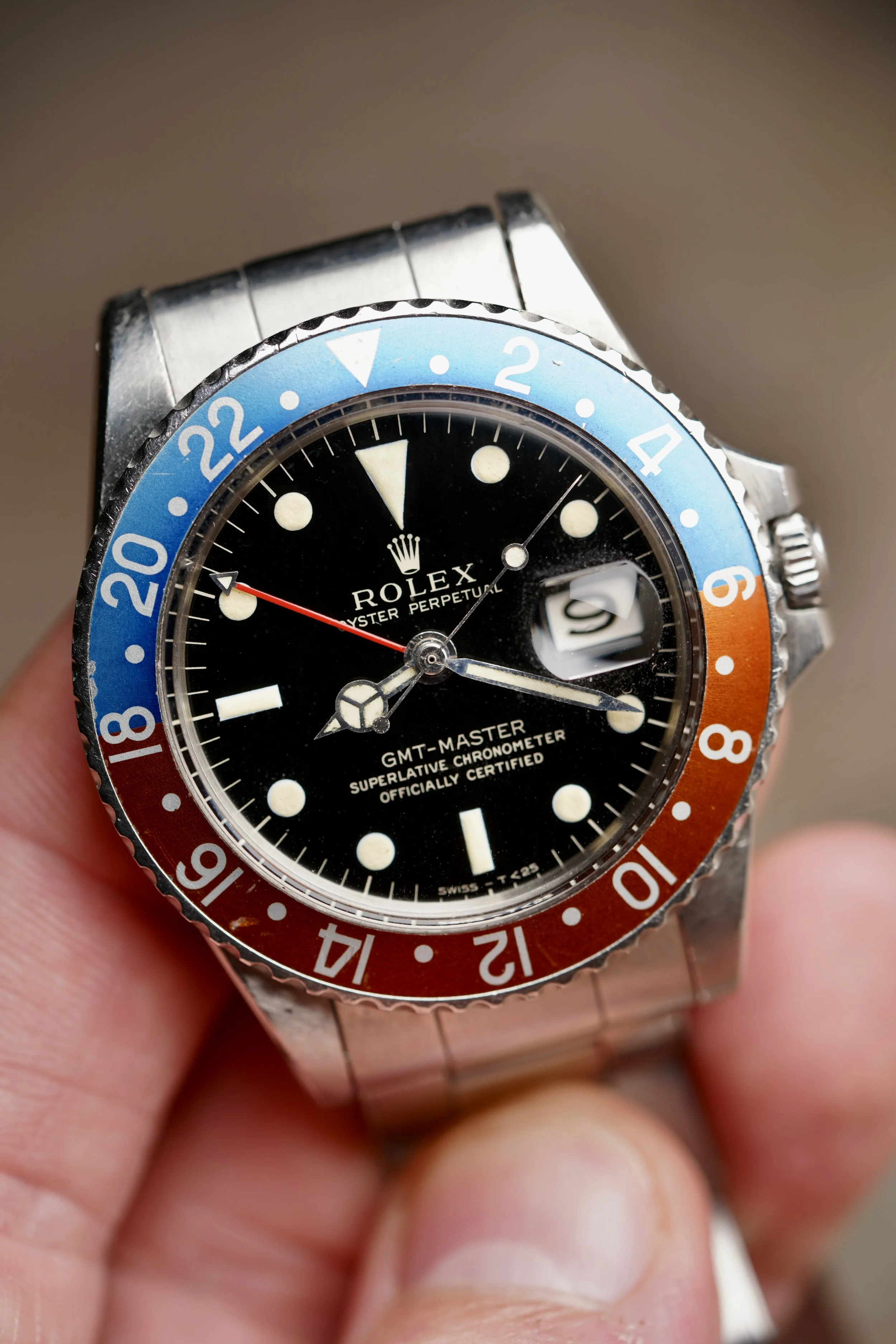
What is a Gilt Dial?
By Charlie Dunne
When discussing vintage Rolex watches, the two predominant dial categories that collectors focus on are “Gilt” and “Matte” dials. Gilt dials are the predecessor to matte, and were produced throughout the 1930s until the mid 1960s. These are an important attribute within many of the classic references from Rolex, but these dials were also featured across many other manufacturers throughout the Swiss watch industry including the likes of Heuer, Audemars Piguet, Longines, Patek Philippe, TUDOR, Titus, Geneva Sport, OMEGA, Universal Genève, Eterna, and more.
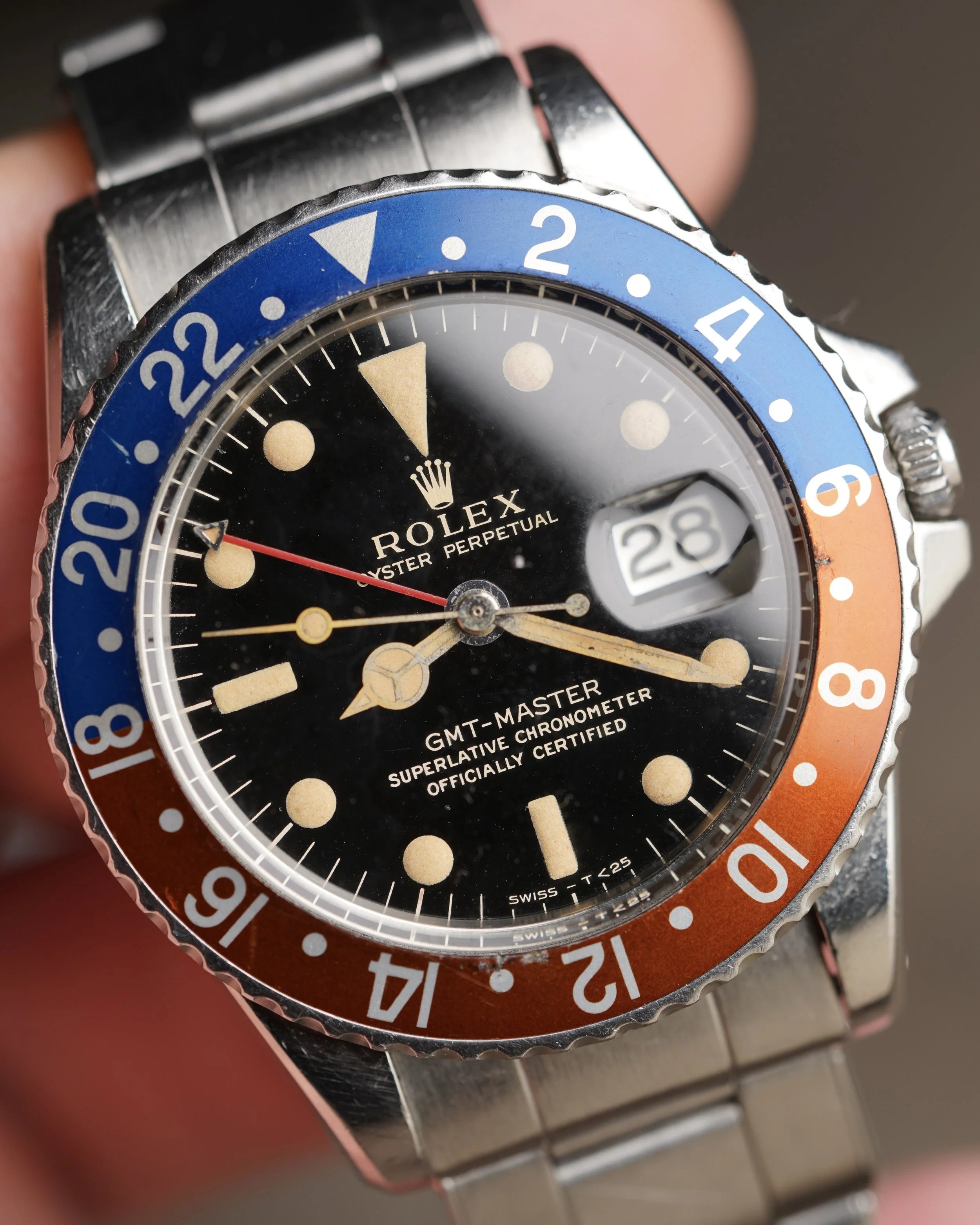
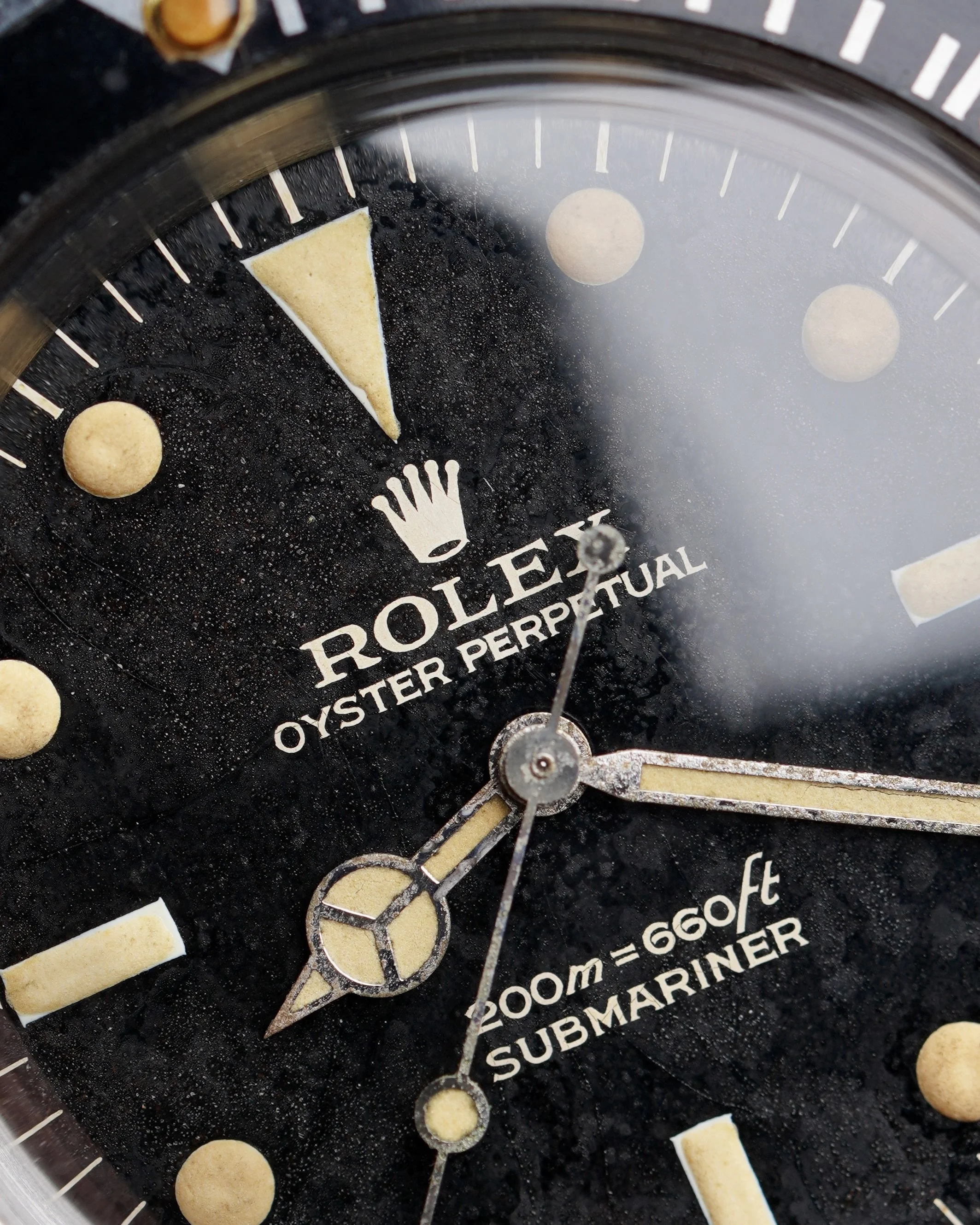
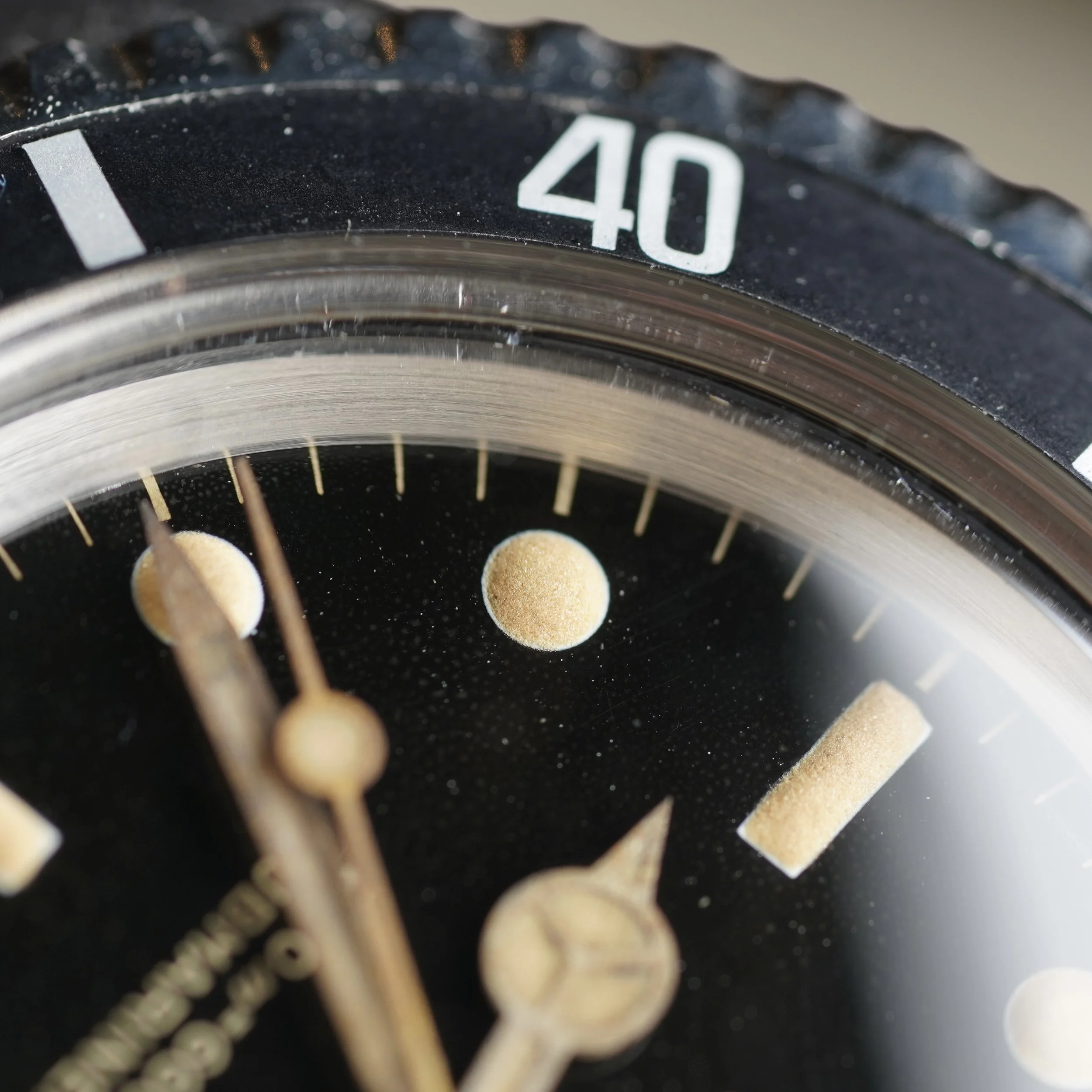
The gilt dial was the standard within Rolex sports models until the transition to matte in circa 1966. By default, these are less common and typically command a premium over matte dials. Gilt dials are easily identified by their gold - and in some instances silver - foil-like font and logos recessed from the glossy black surface. This font is often mistaken as printed on top of the black dials, however it is in fact the base metal beneath the overlaid glossy surface layer. The glossy dials are highly appreciated by collectors, as the slick surface and contrasting font can incredibly attractive and mesmerizing when preserved in excellent condition. One collector had cited the appeal stating “Seeing a great gilt dial is like opening Marsellus Wallace’s brief case in Pulp Fiction.”
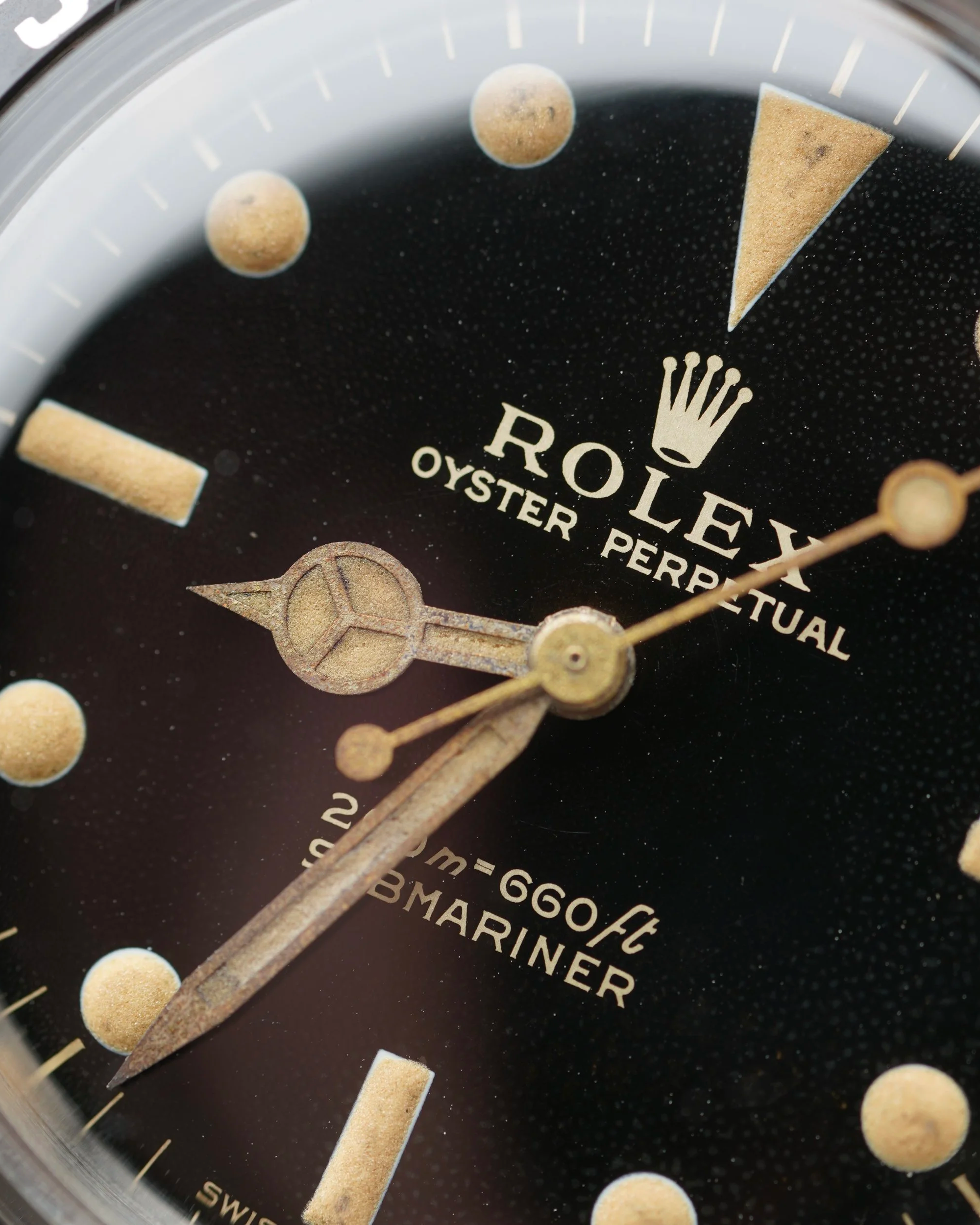
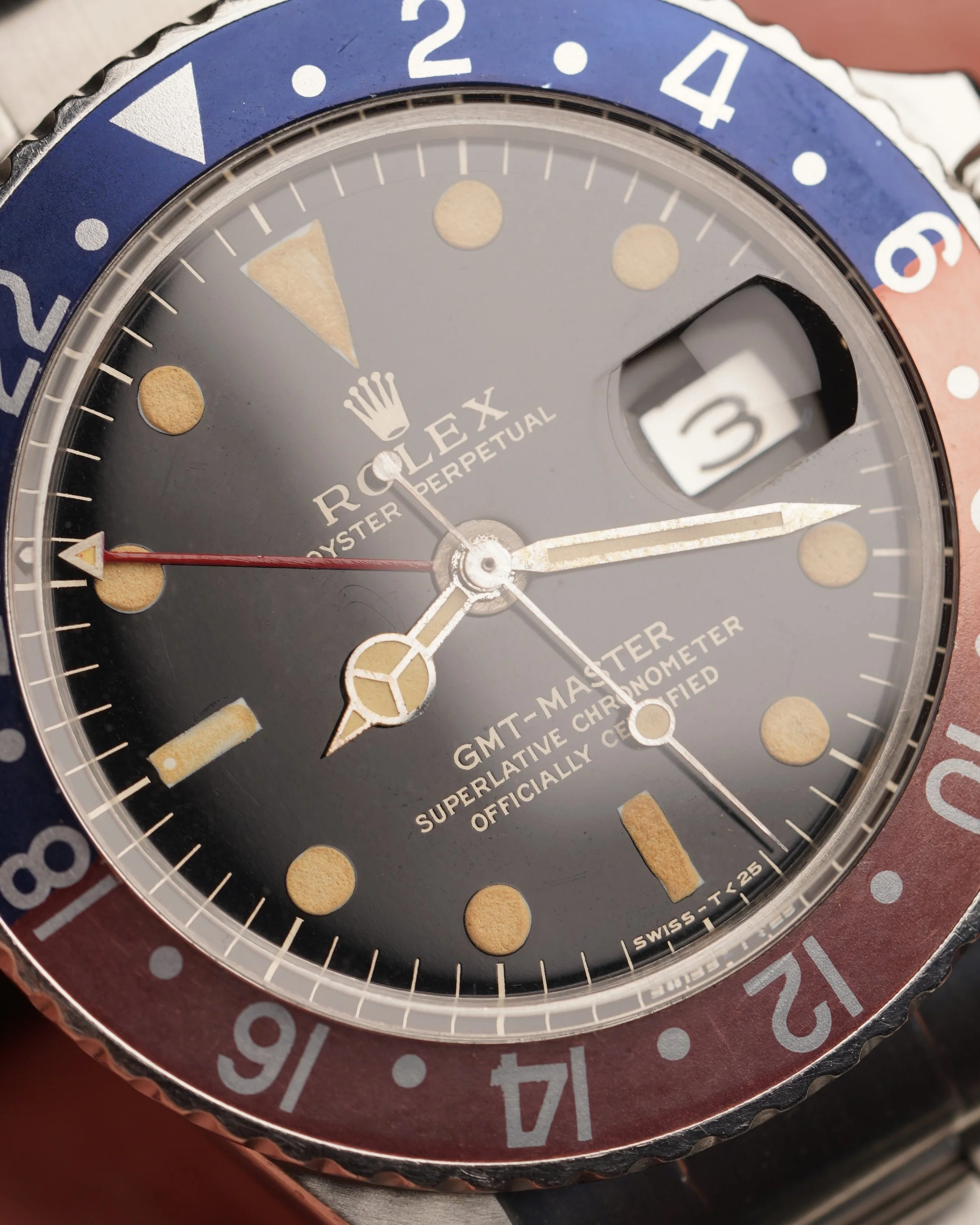
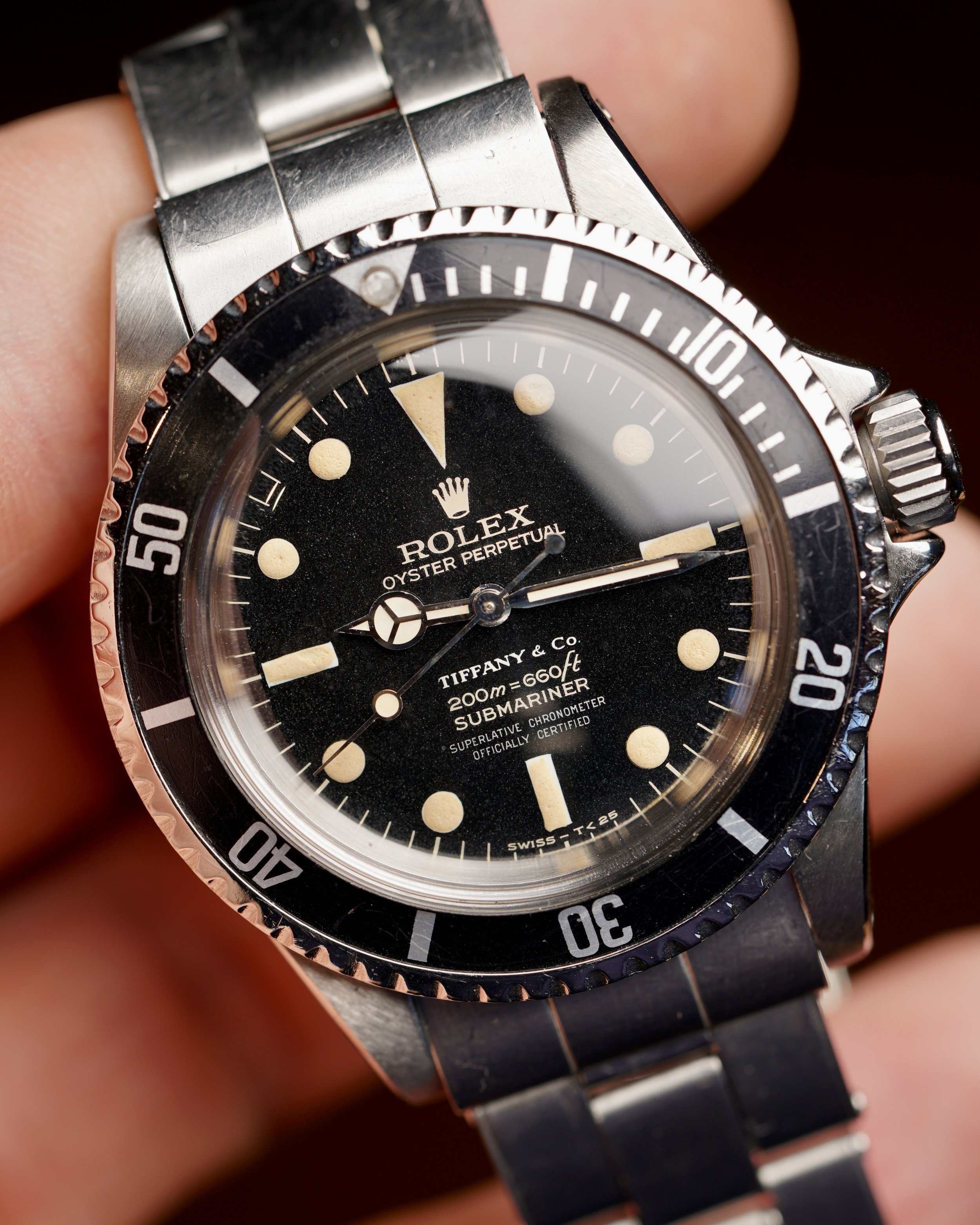
As Glenn Mariconda wrote in his article on the Submariner reference 6204:
“From 1953 to 1966, all Rolex Submariner dials were printed galvanically. Also known as "gilt" dials, they're easily recognized by their intense gold text, which reflects light at all angles. This technique is achieved not with gold ink but is rather a metal treatment in which the gilt writing is an inverse print under the top black layer. (Examine it closely with a loupe and you'll see that the galvanically printed text is recessed.) A coat of protective lacquer was then applied; when new, this added a "gloss" to the dial surface.”
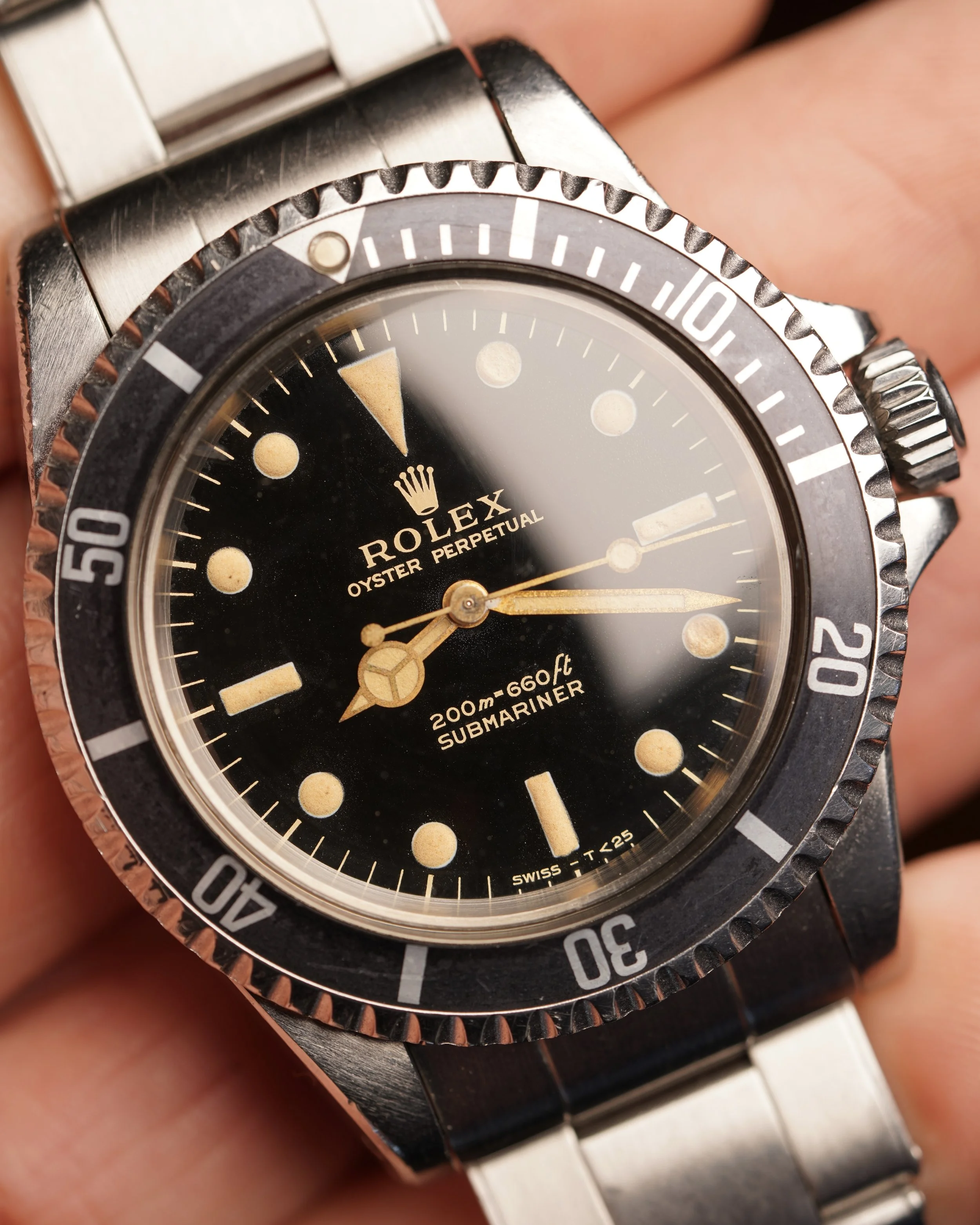

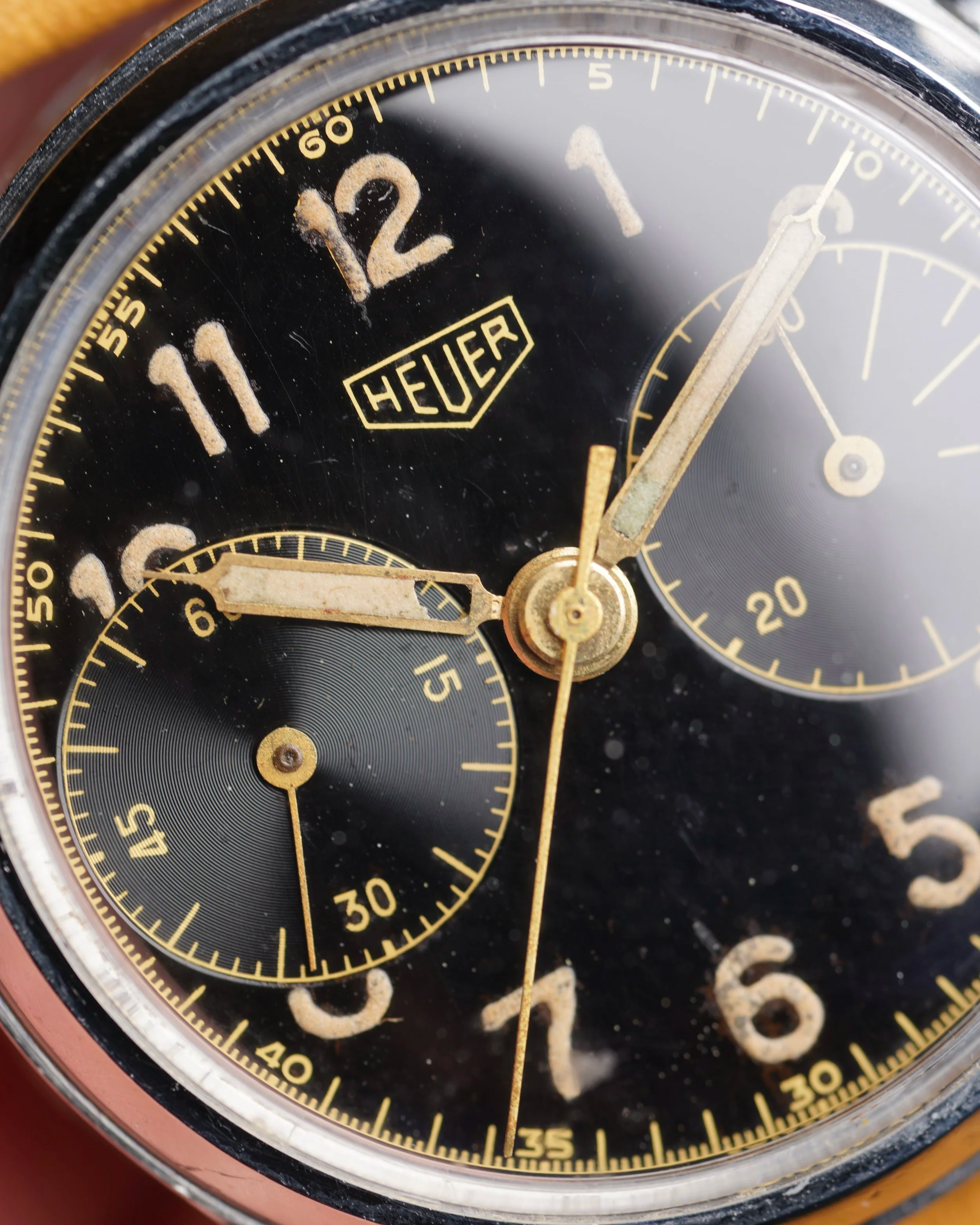
It isn’t just a Rolex conversation. The quality and miraculous impression of a well-preserved gilt dial on any brand can be a selling point for collectors. In some instances, a gilt dial found on an obscure manufacturer without any tangible heritage can make for an incredibly desirable watch. In the late 2010s, gilt dial chronographs were an incredibly hot category and many of the obscure chronographs from brands such as CYMA, Minerva, Tavannes and Eterna were seeing ridiculous results comparable to the current market.


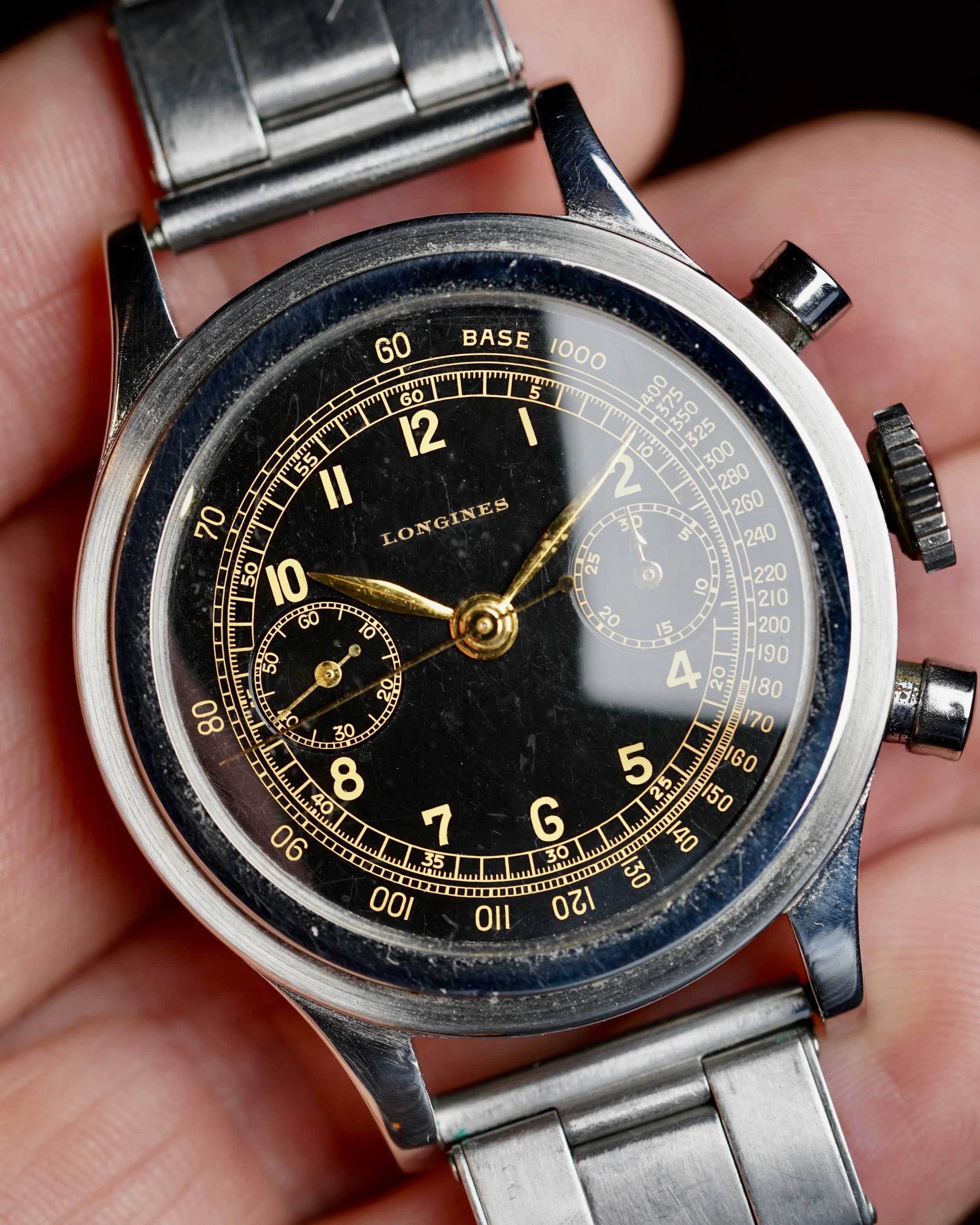
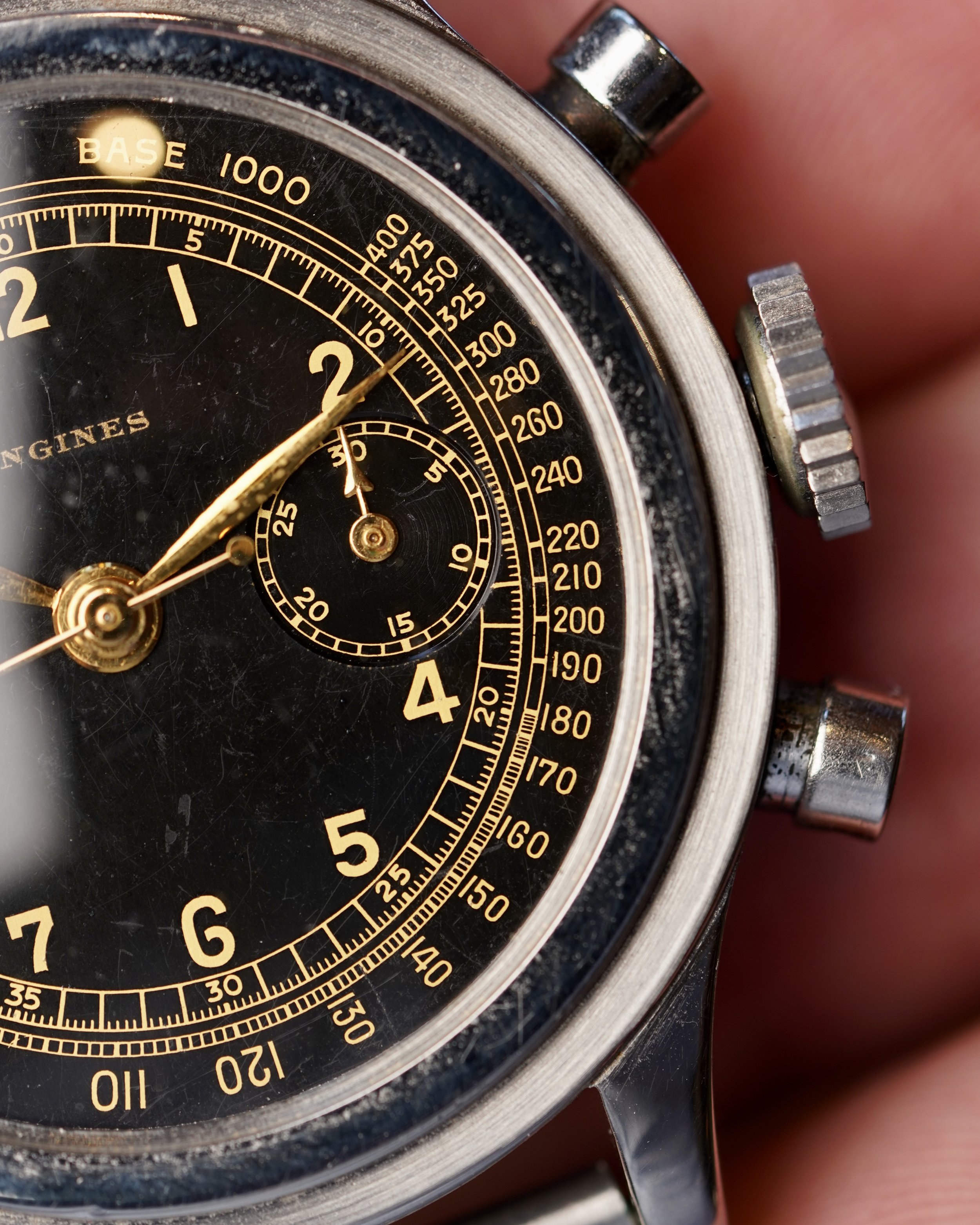
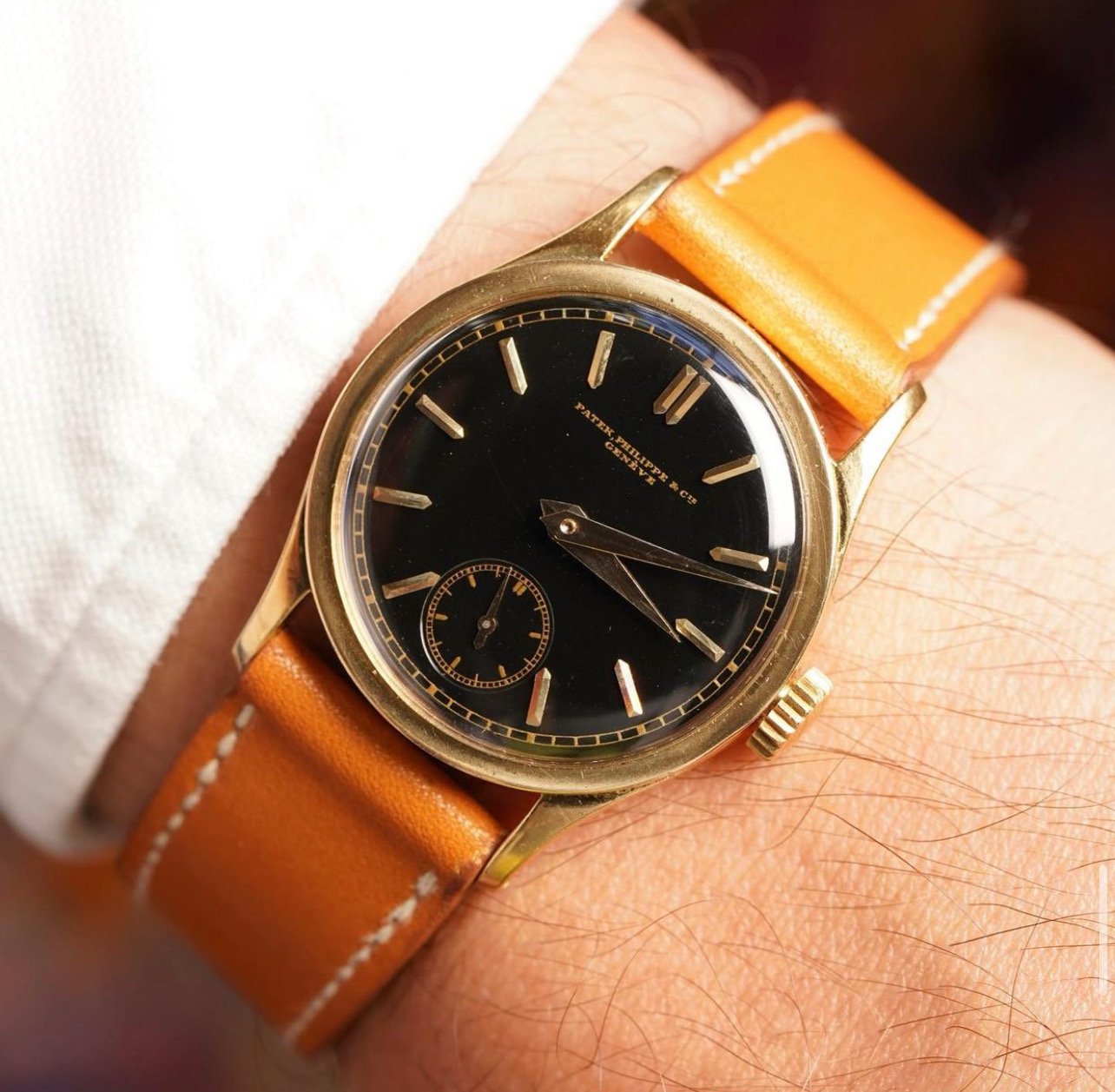
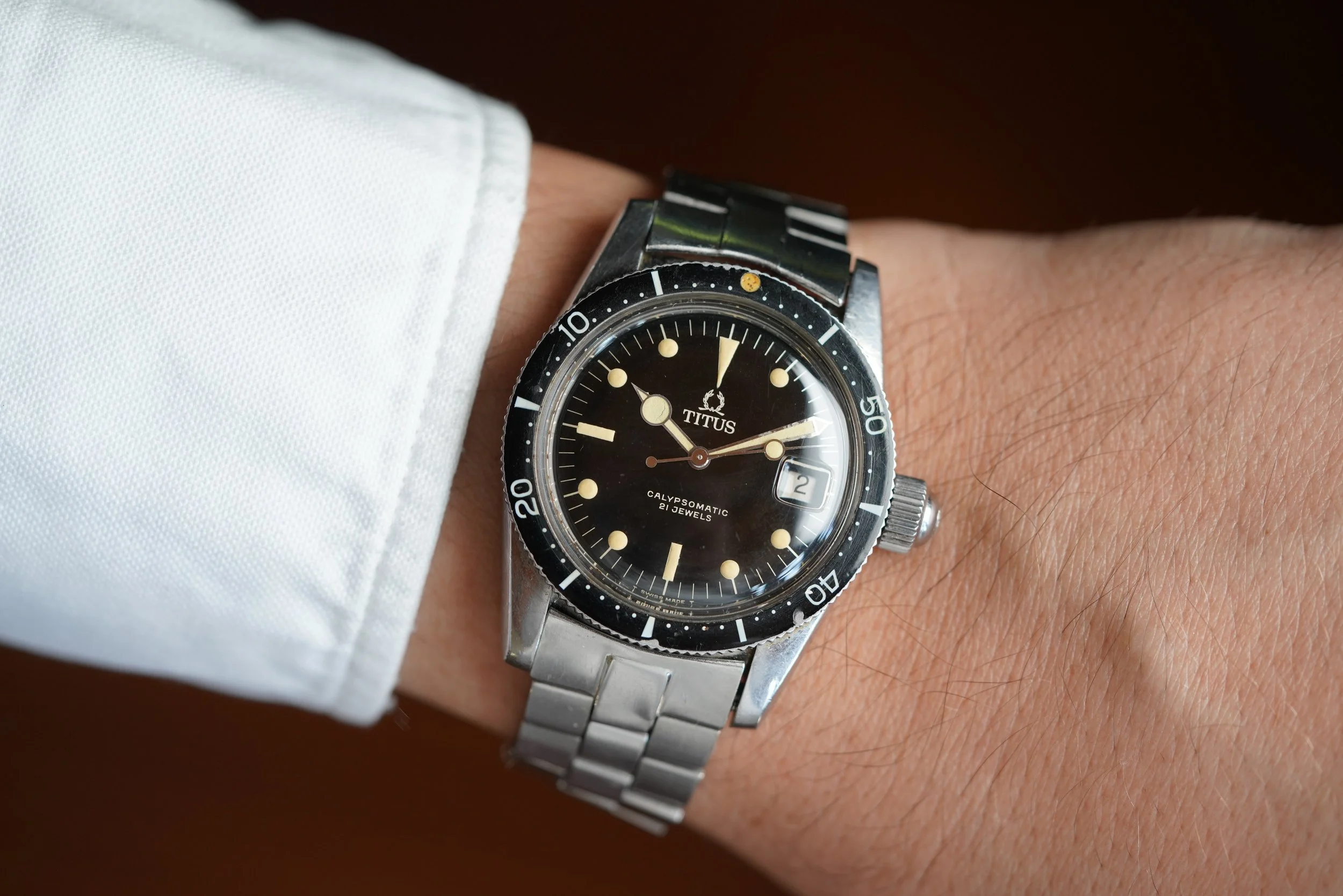
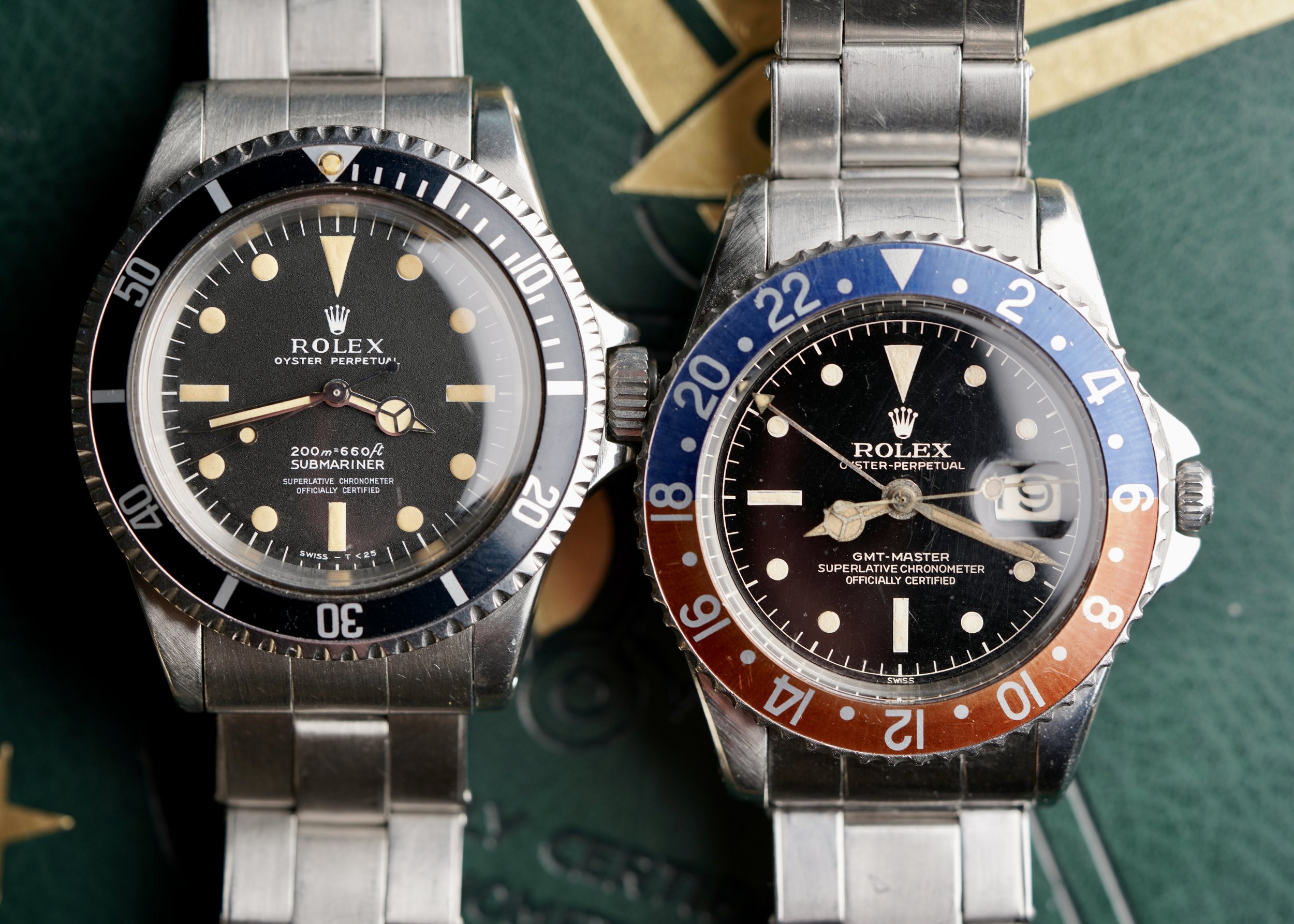
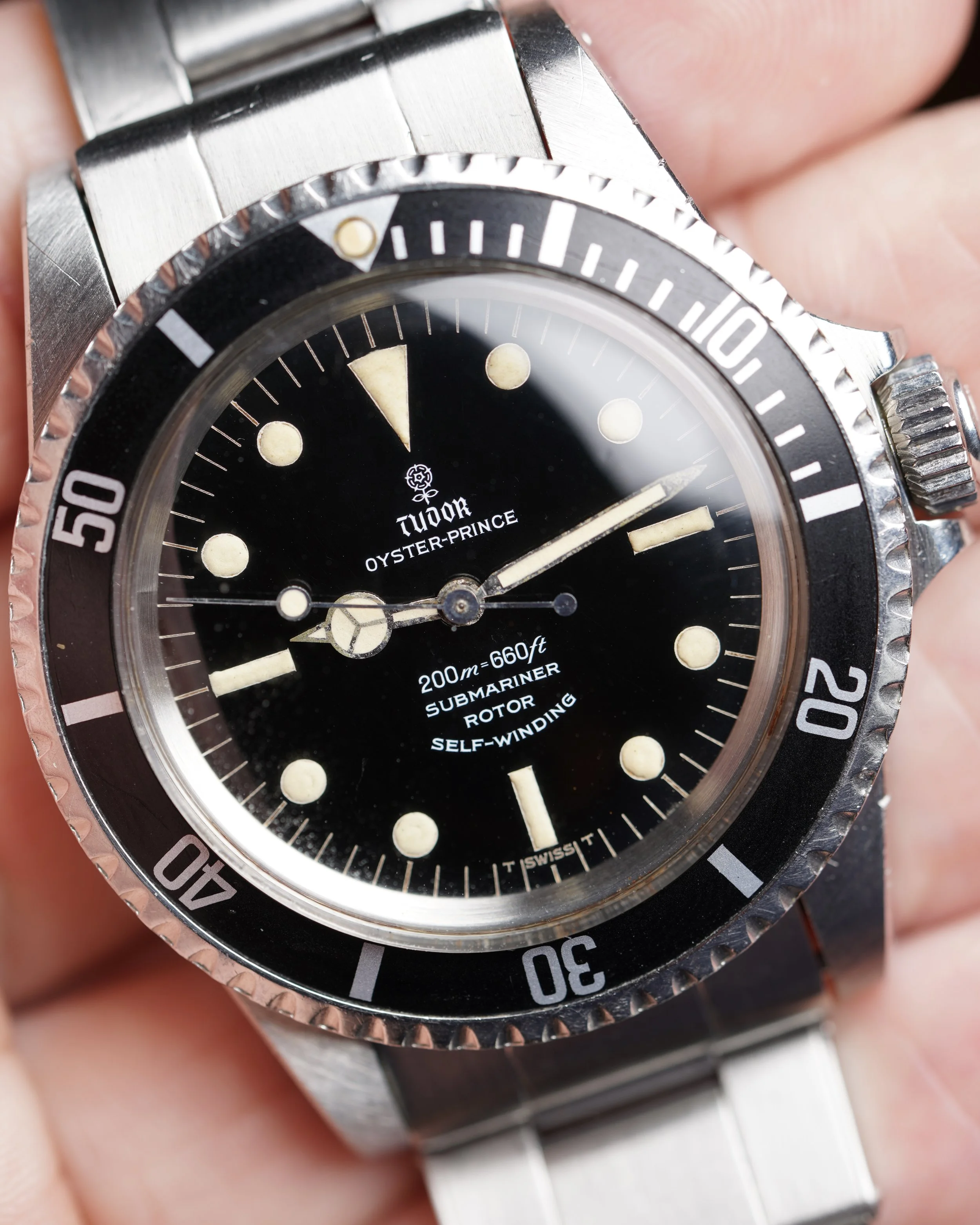
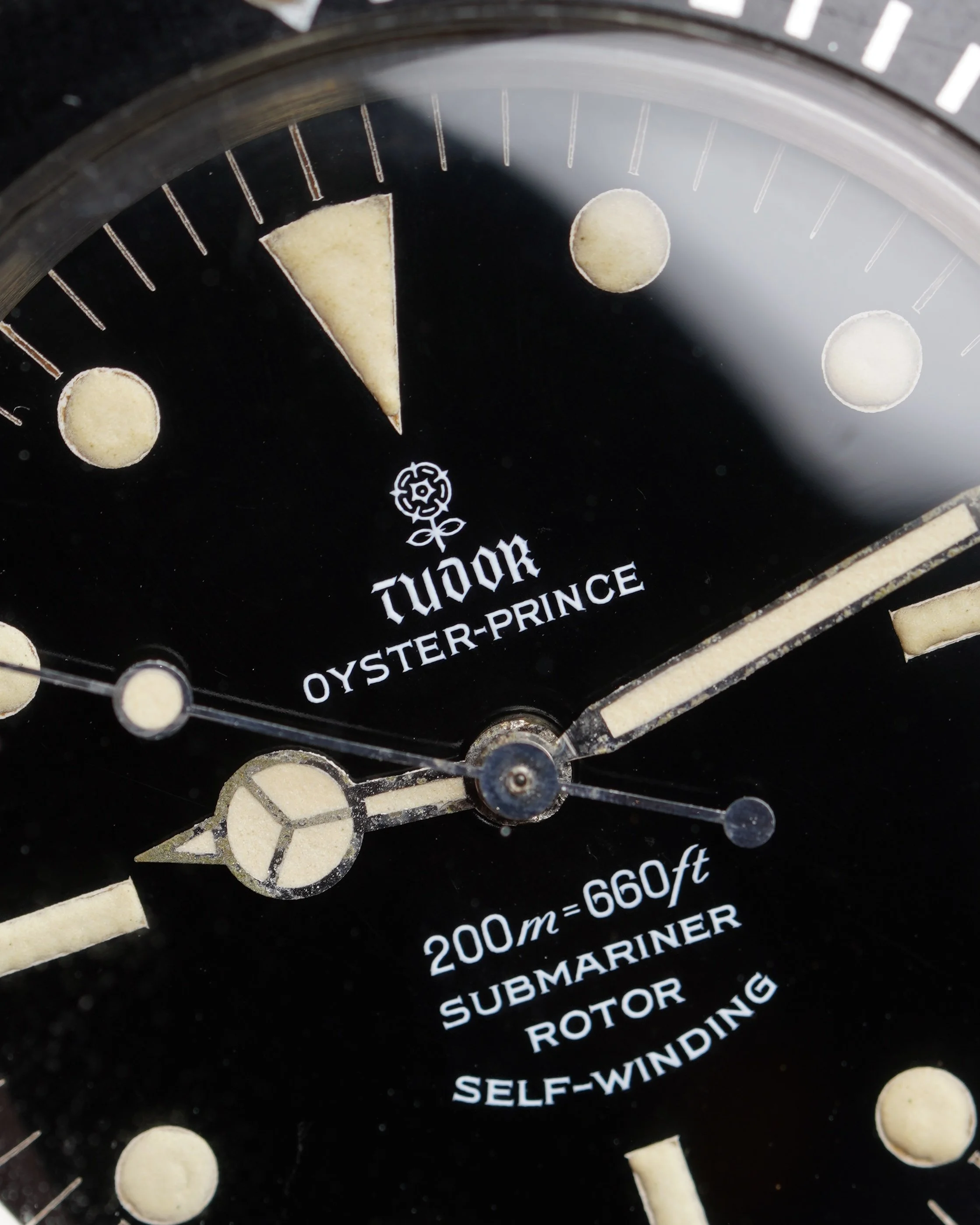
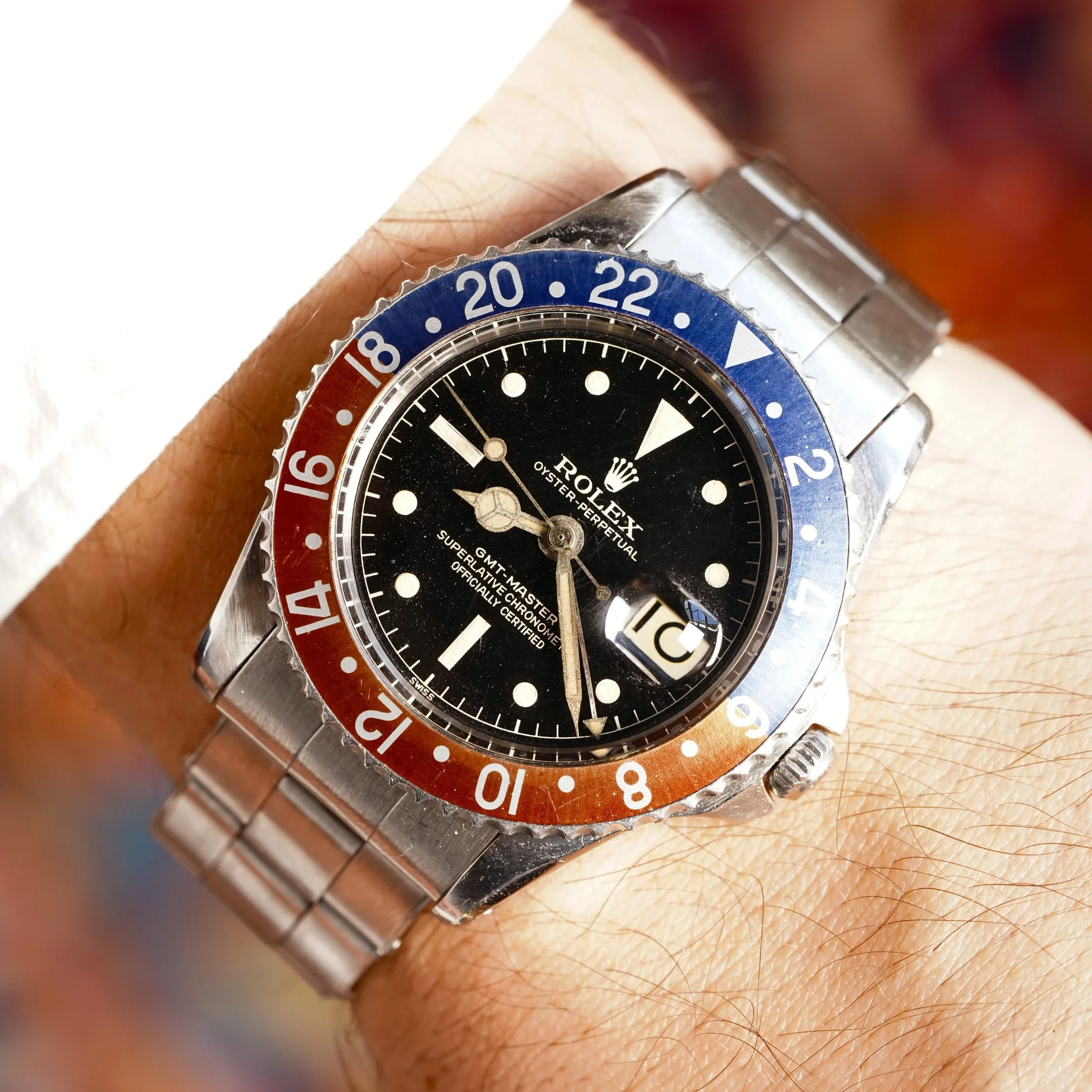

Image credit: HODINKEE
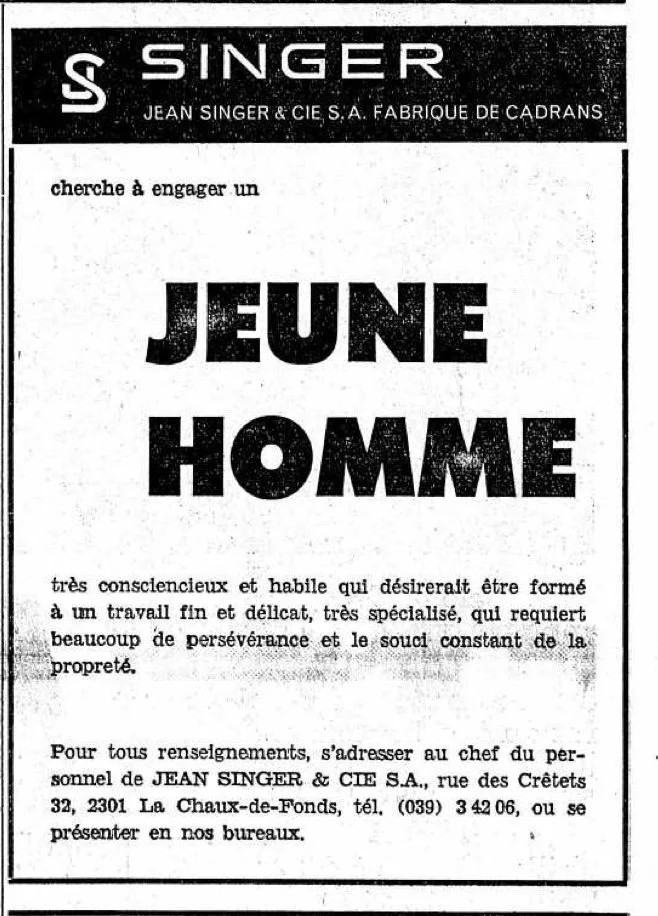
Yet the broader conversation always comes back to sports Rolex. In 2025 through now in 2026, one of the biggest vintage trends and desires has come from an overwhelming interest in high-quality gilt sports Rolex watches with tritium lume. These watches fall under a very narrow window from circa 1963- circa 1966 (generally ending around the 1.6M serial). Many of the gilt Rolex dials were produced by Singer & Cie (an important and independently owned dial manufacturer based in La Chaux-de-Fonds). While there were some tremendous complicated gilt dials from the 1950s - most notably the “Bao Dai” reference 6062, the quality of the 1950s Submariners and GMT-Masters were slightly inferior compared to the early-mid 60s examples. It seems as though the dials from this period were more susceptible to cracking or matting out, whereas the technique would be improved on the gilt sports dials years later.
Eric Wind said, “A beautiful gilt dial is like looking into a pool of oil. There is nothing like it in the world of vintage watches.”
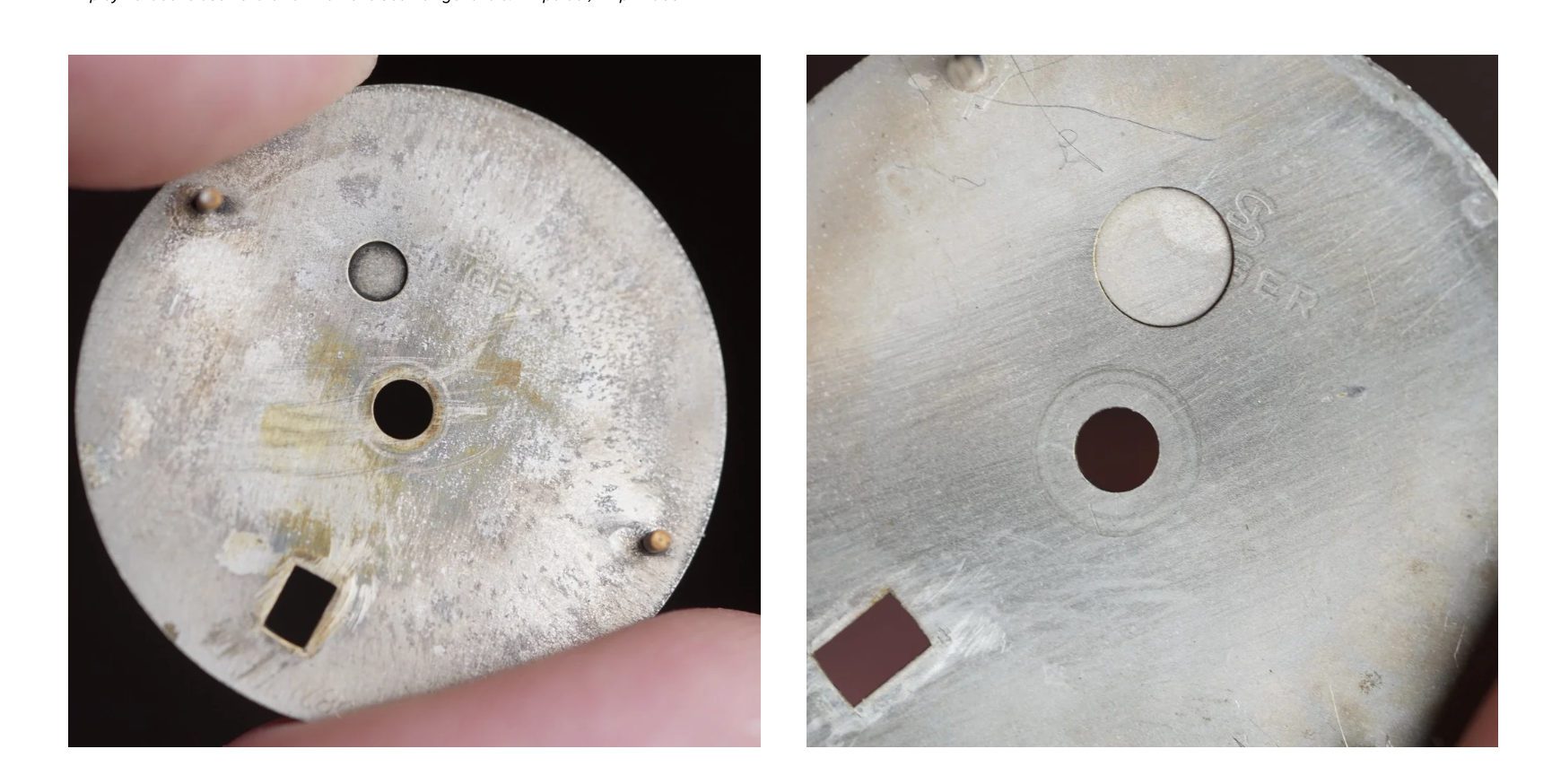

Jean Singer & Cie factory under reconstruction in 1950. Image credit: Singer

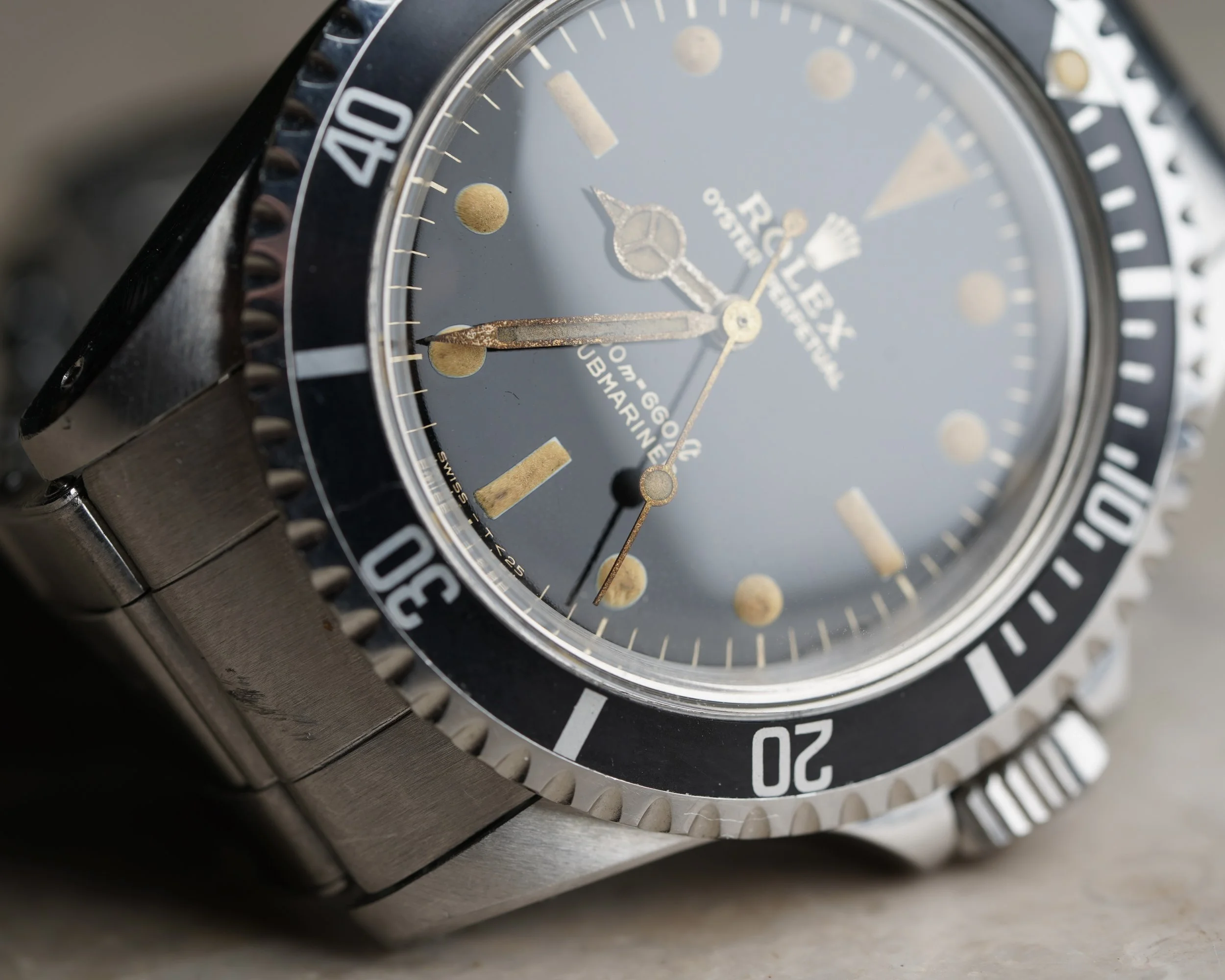
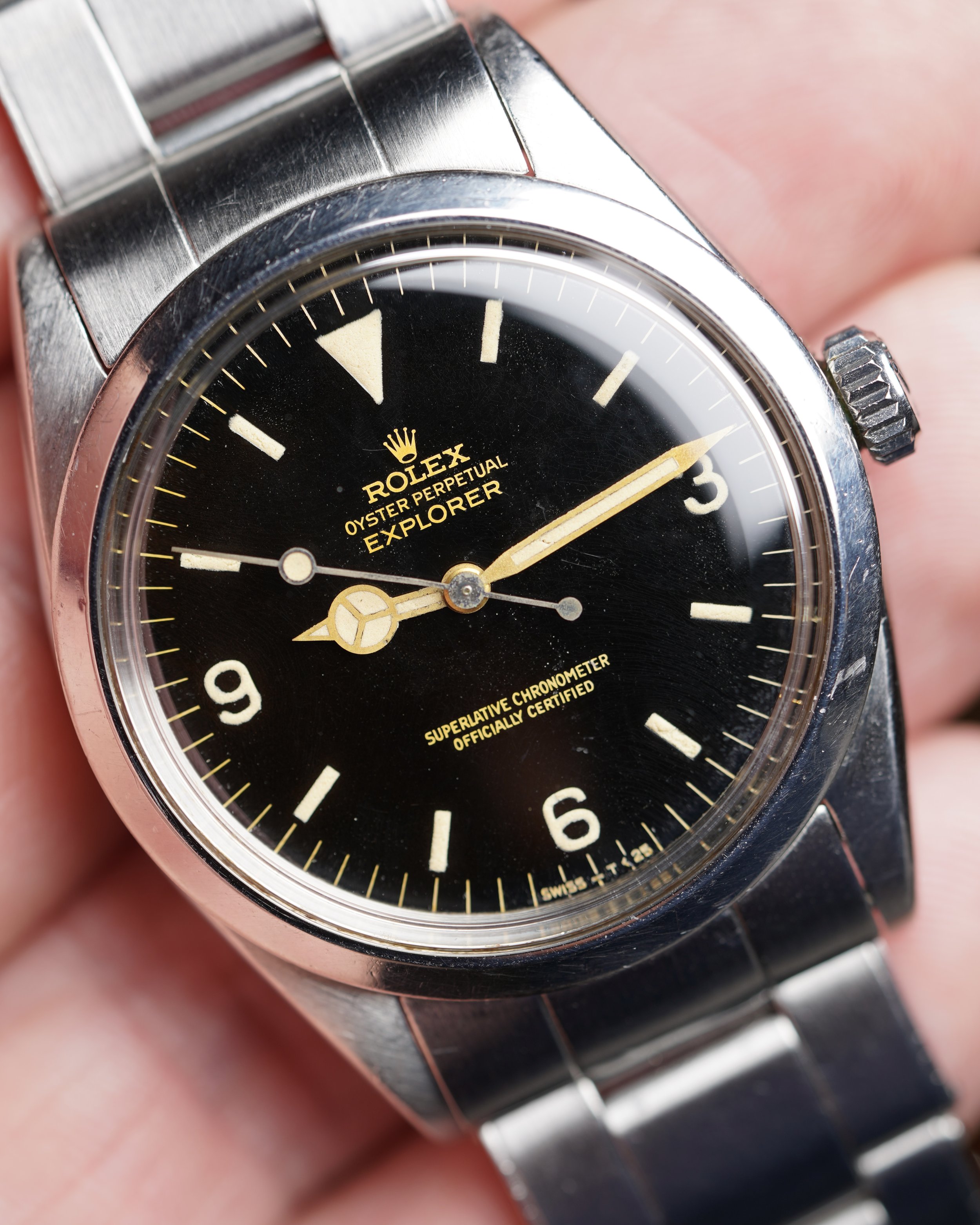
When it comes down to it, gilt dials are one of the most compelling attributes for vintage watches. The high contrast from a dark oil-like surface with gold font and logos creates for one of the most dynamic dials. Many collectors tell us, “I will never sell my gilt dial watches.” It is thus paramount for us to know their family members!