What Is A Tropical Dial?
By Abbie Harris
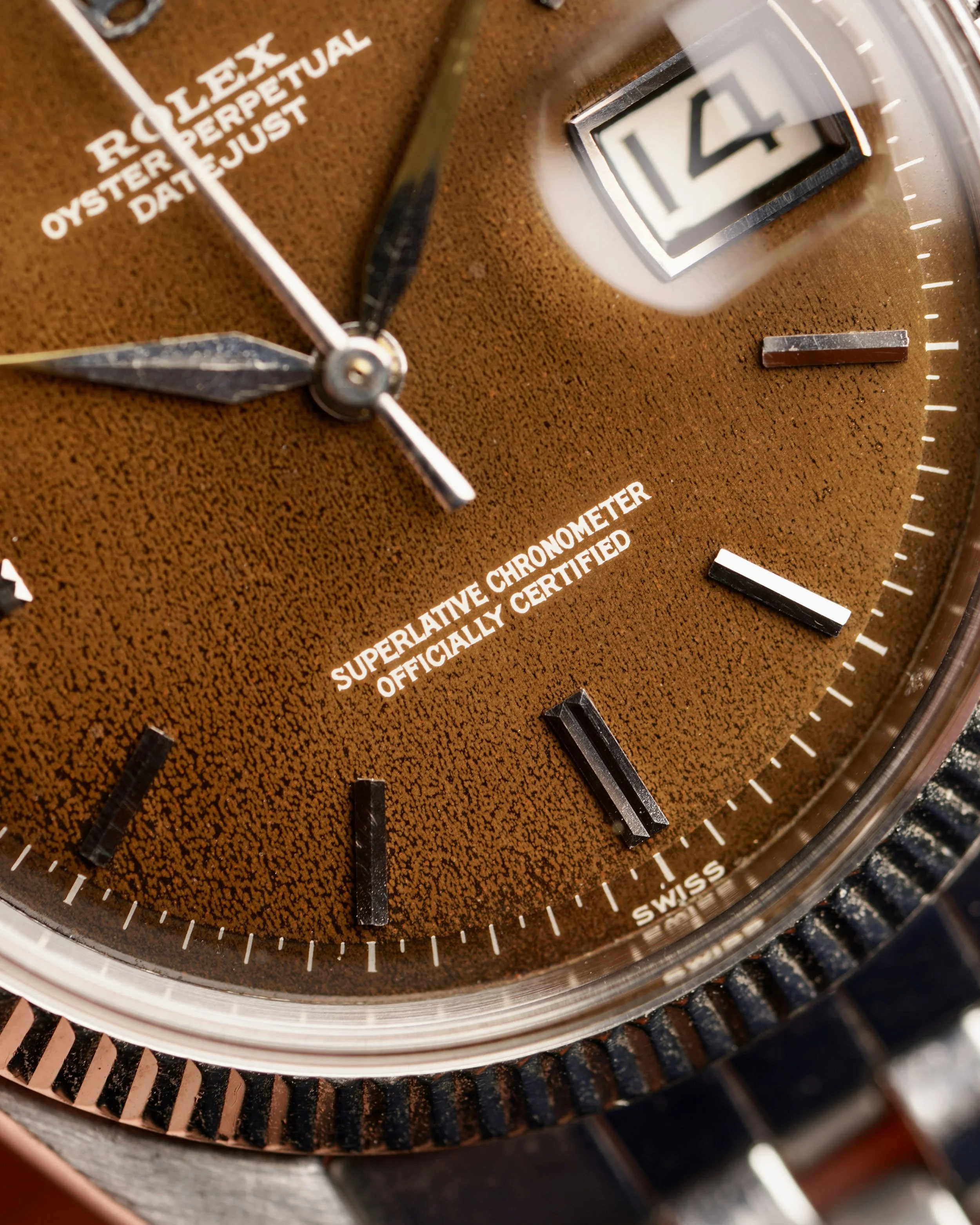
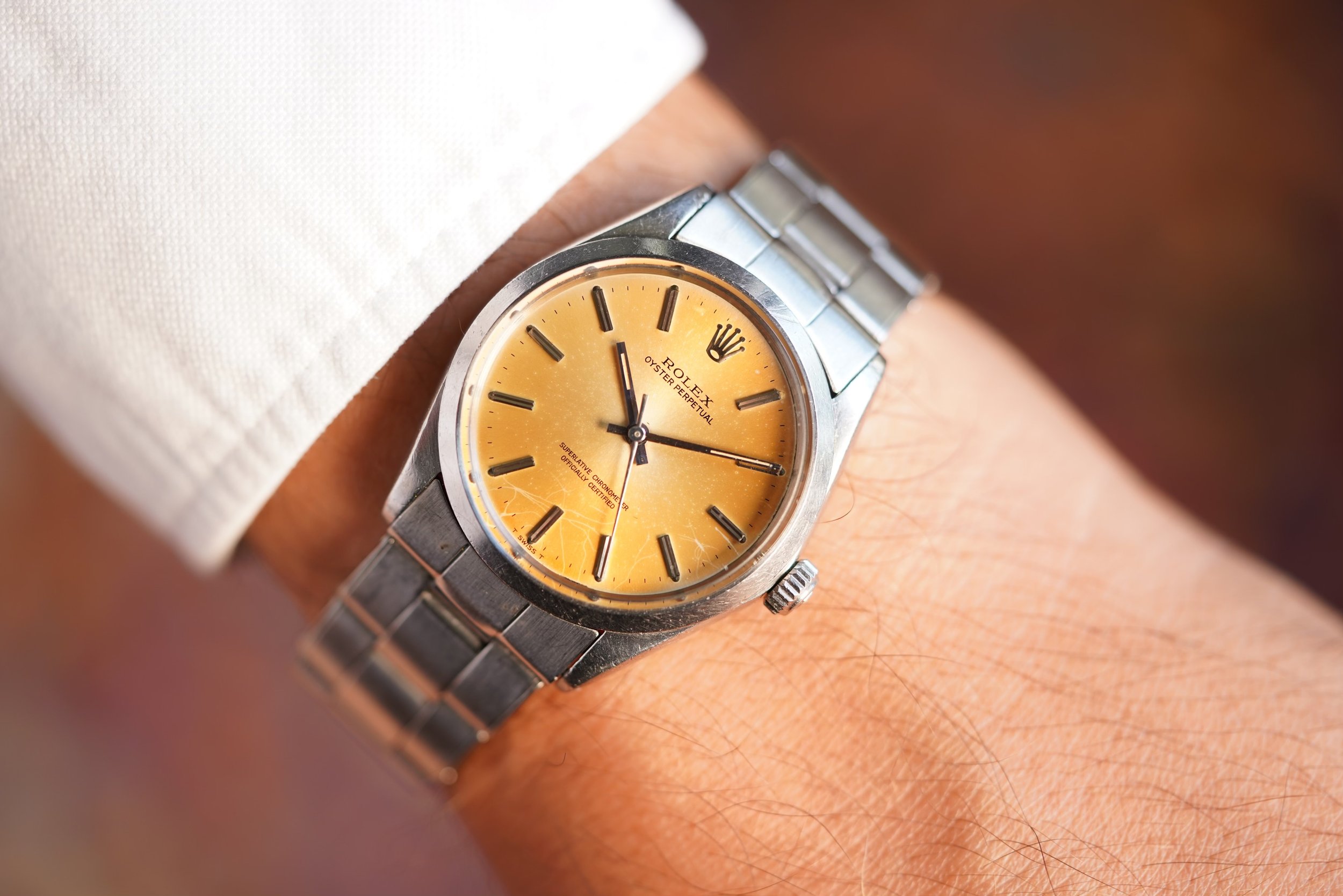
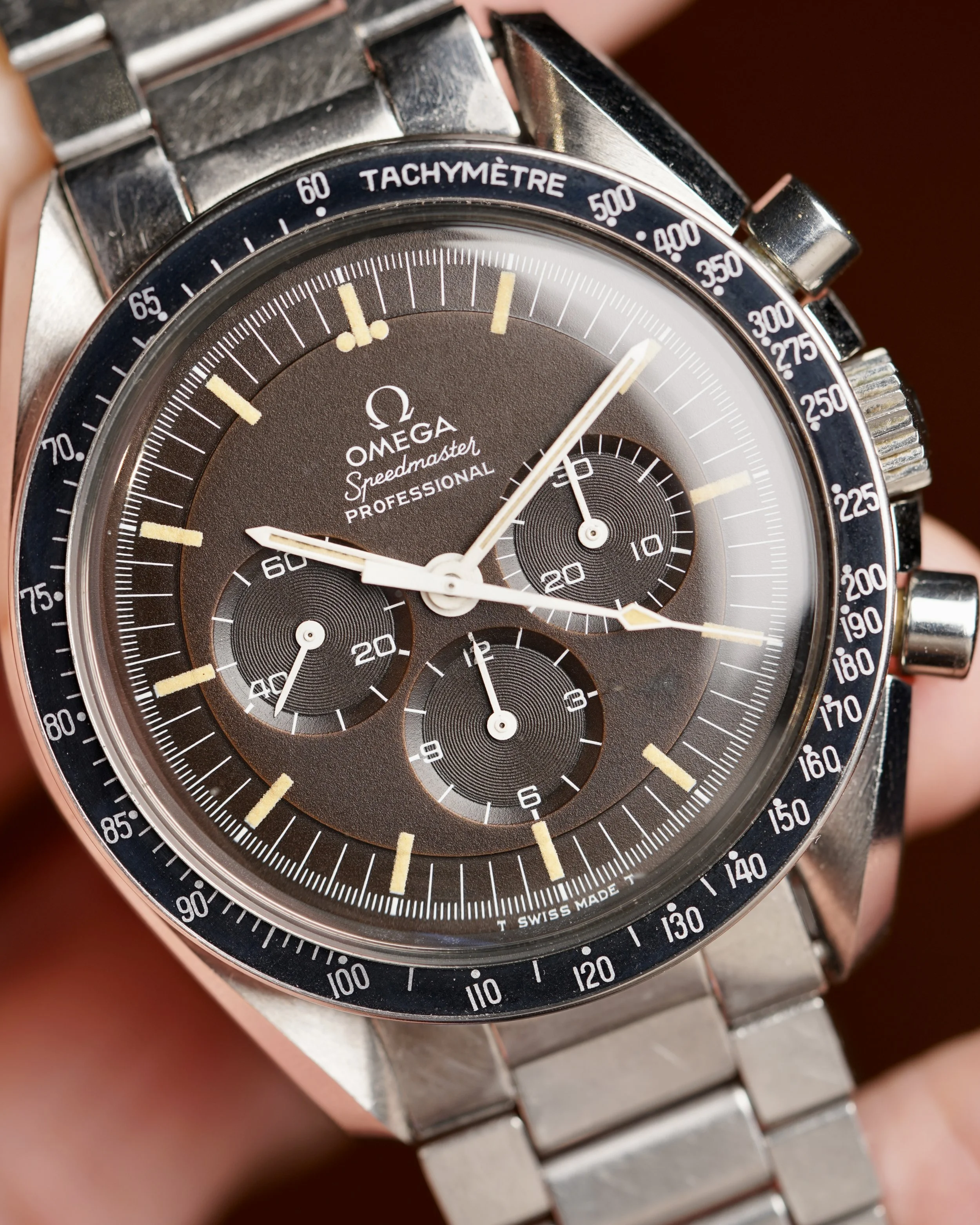
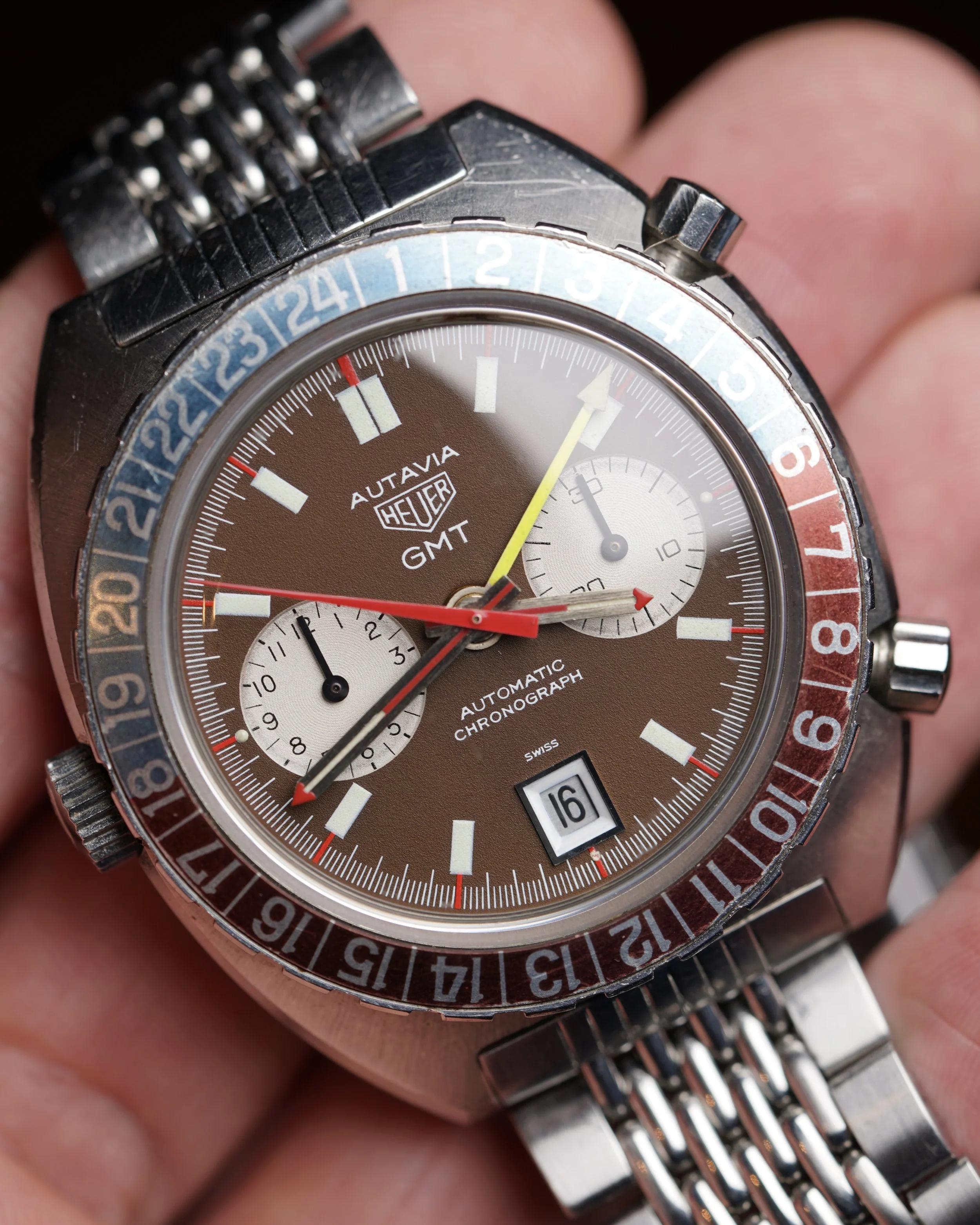
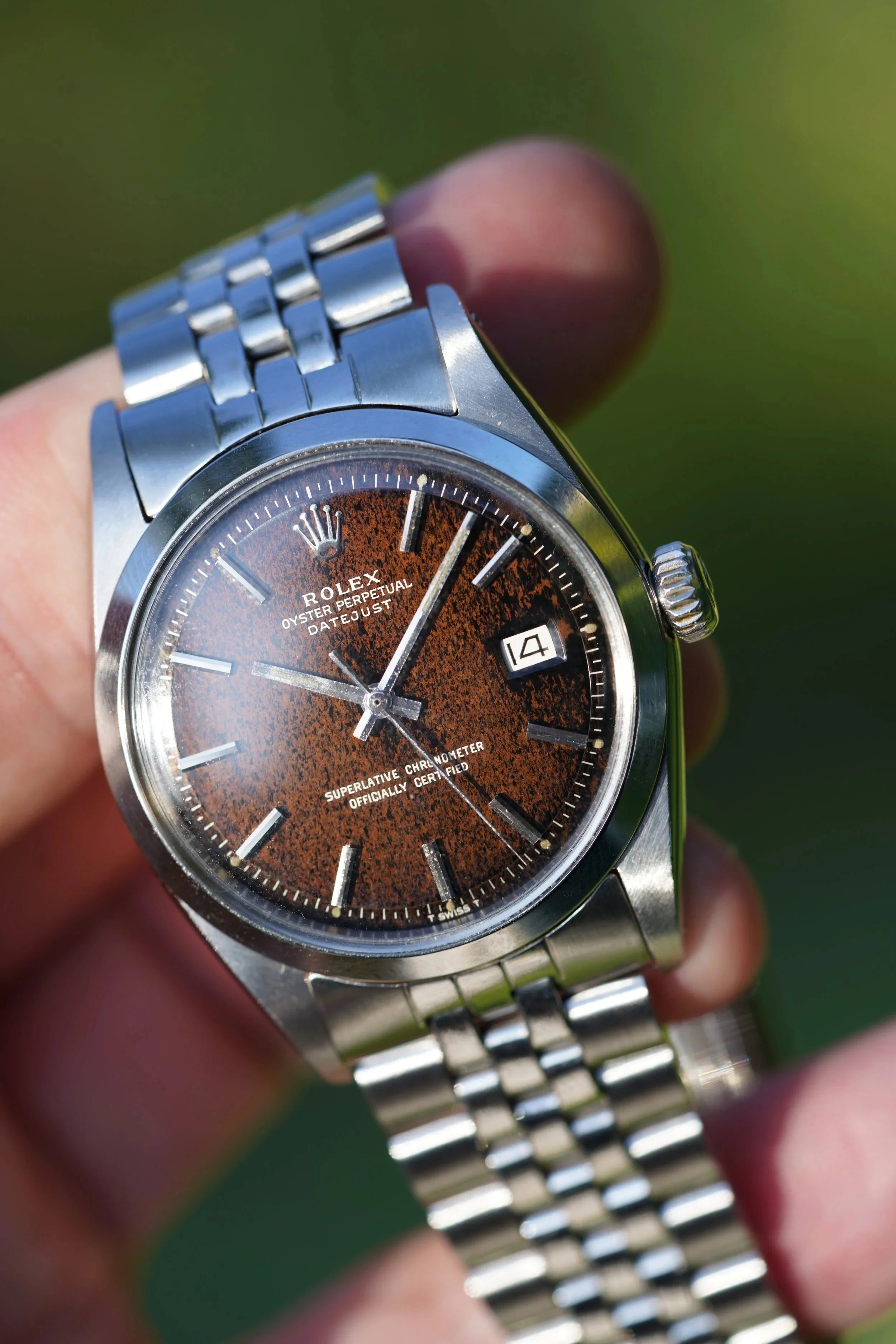
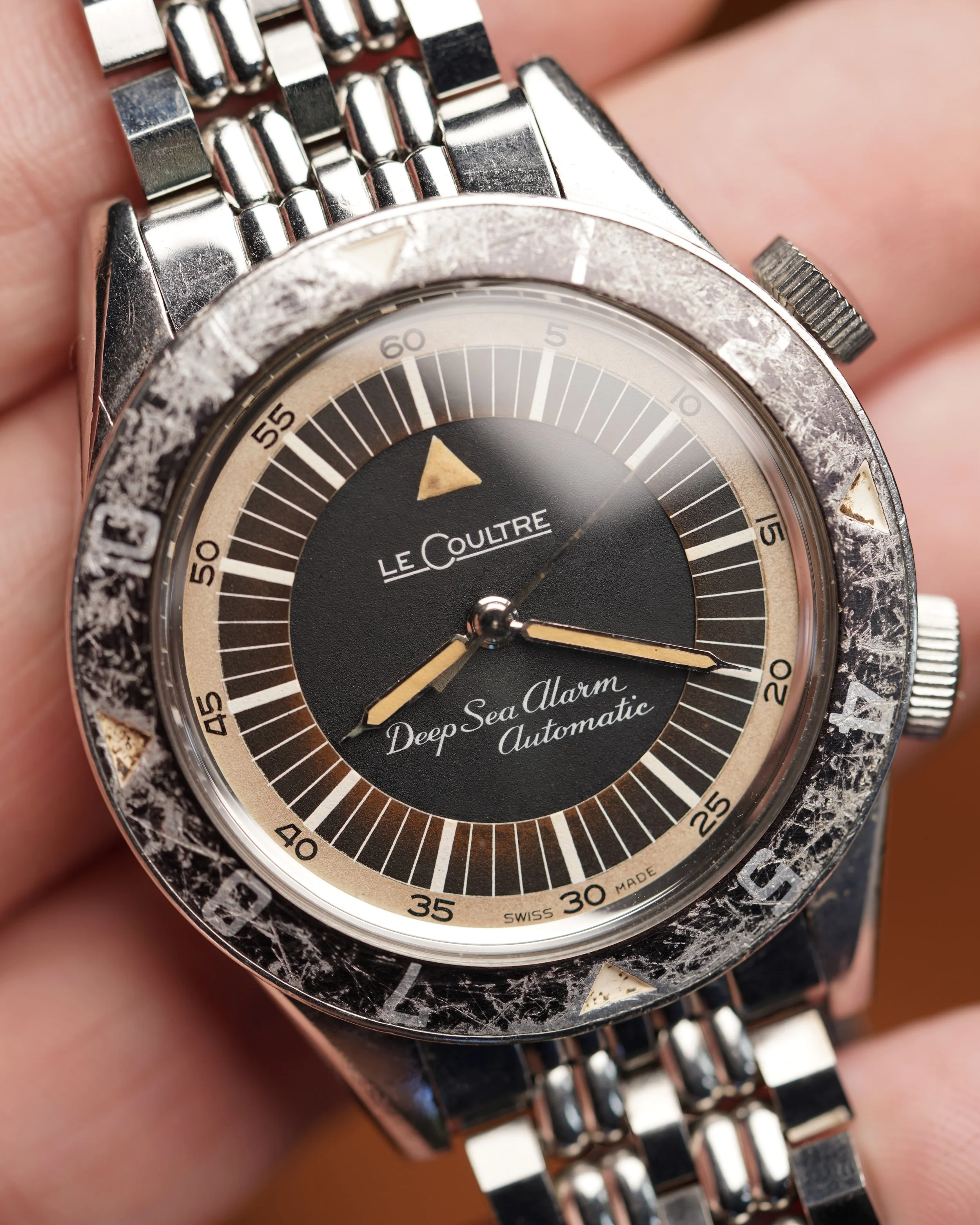
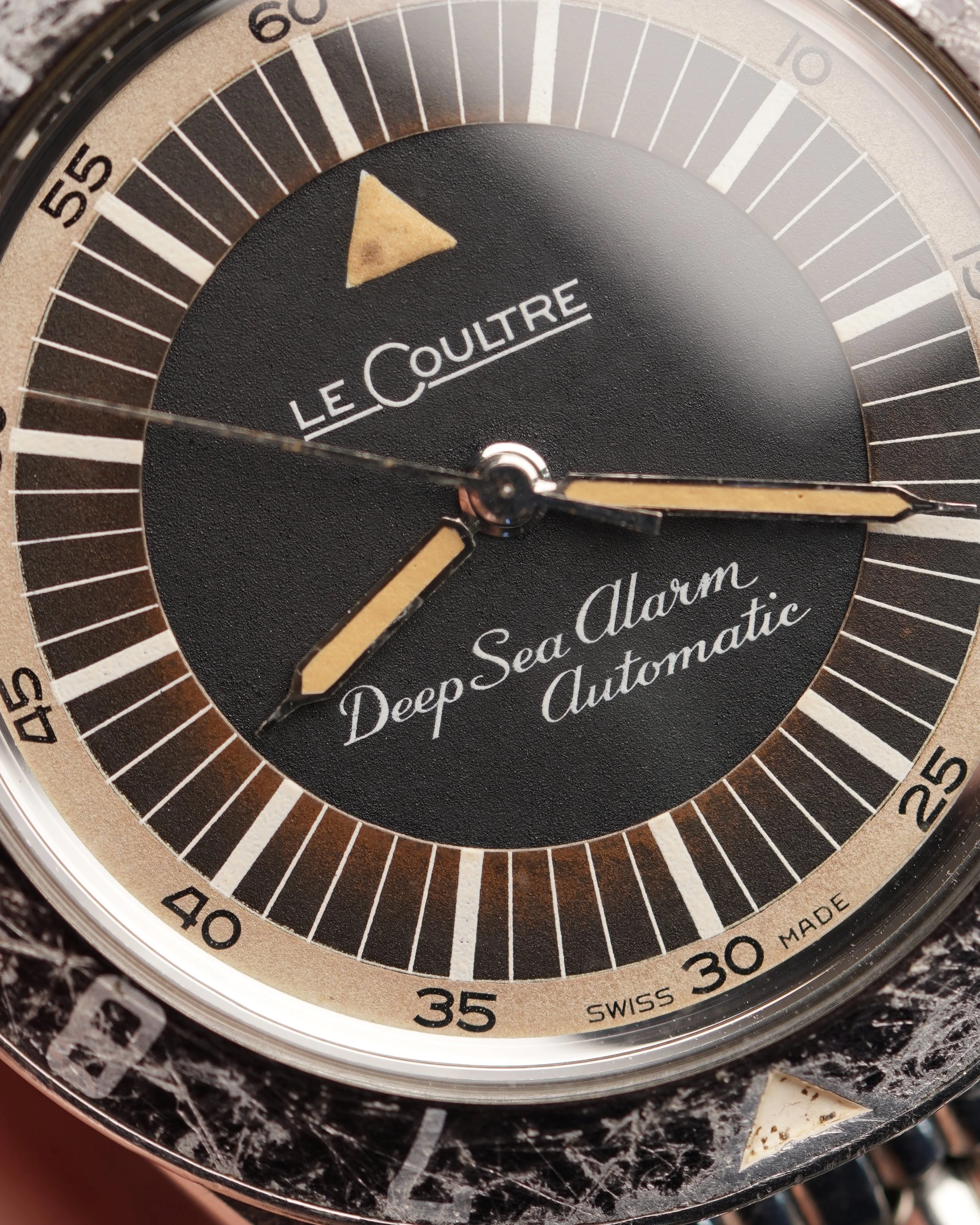
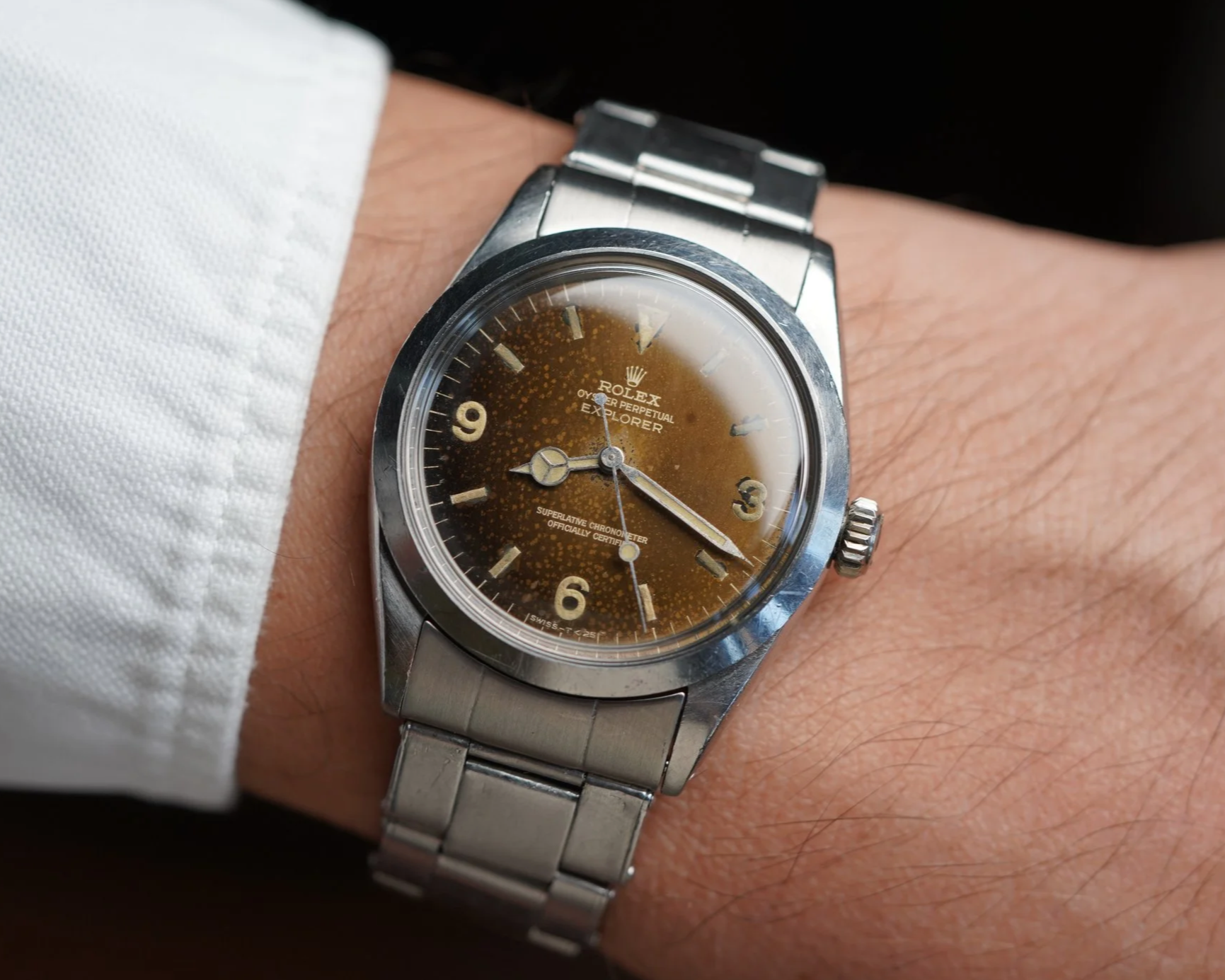
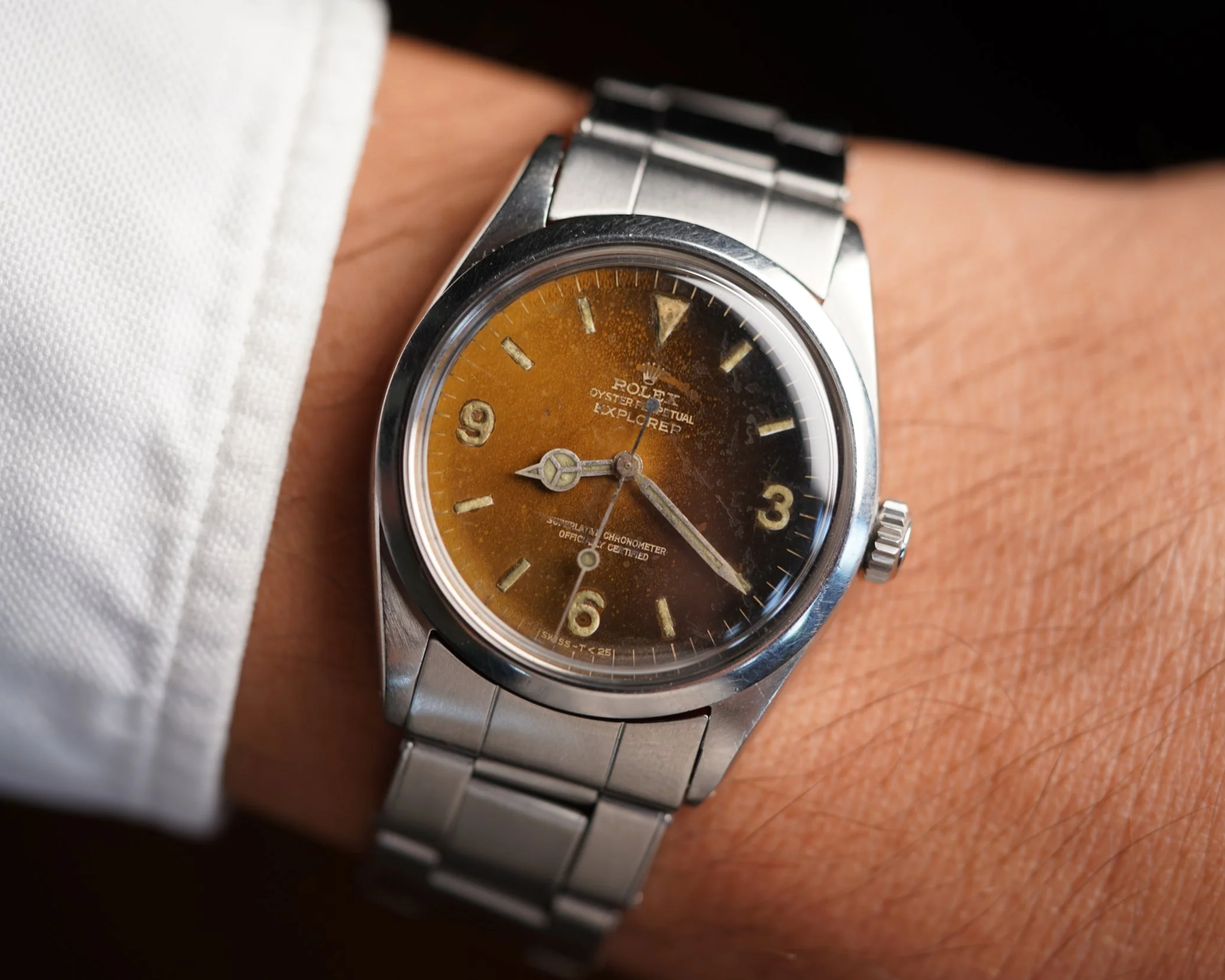
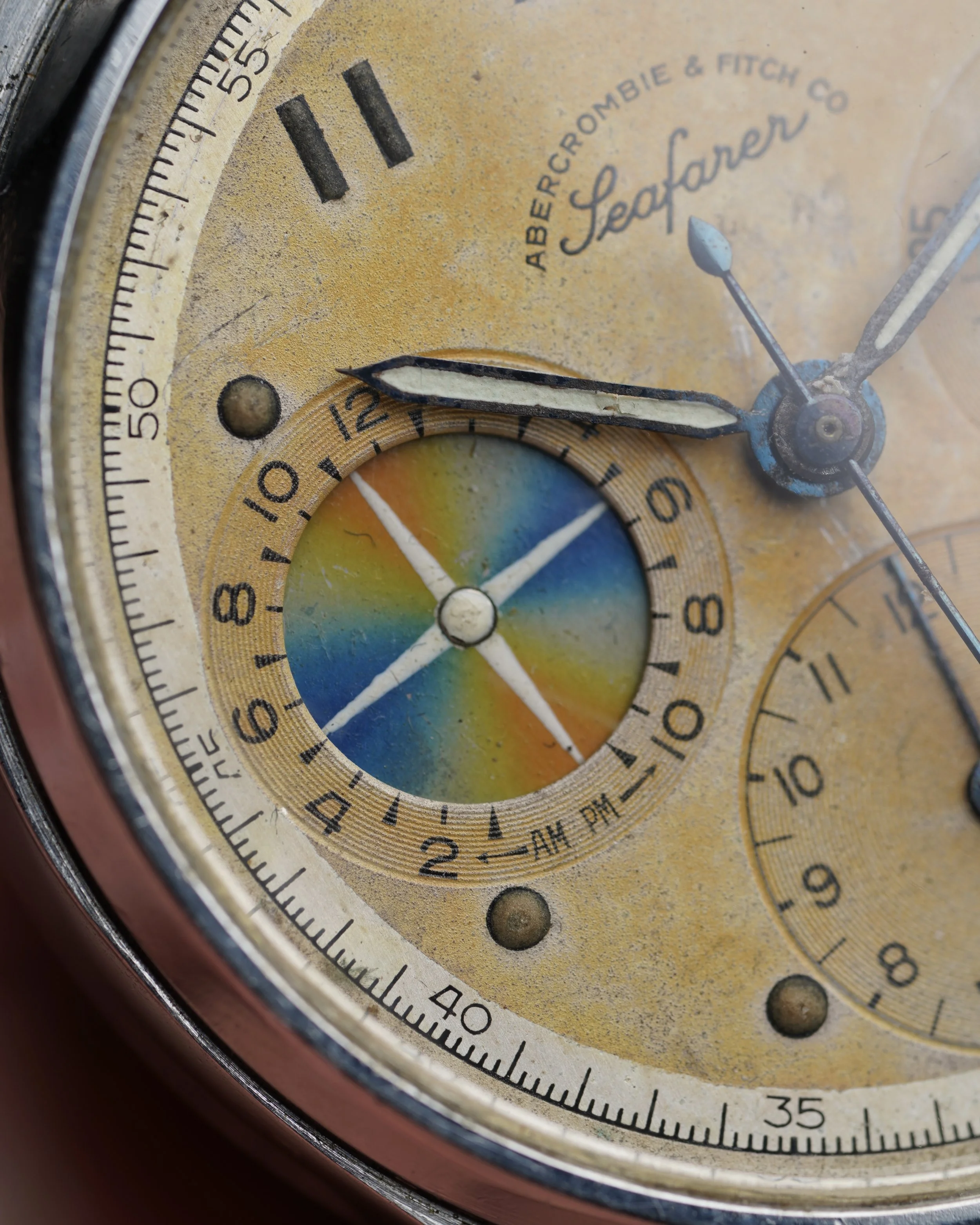
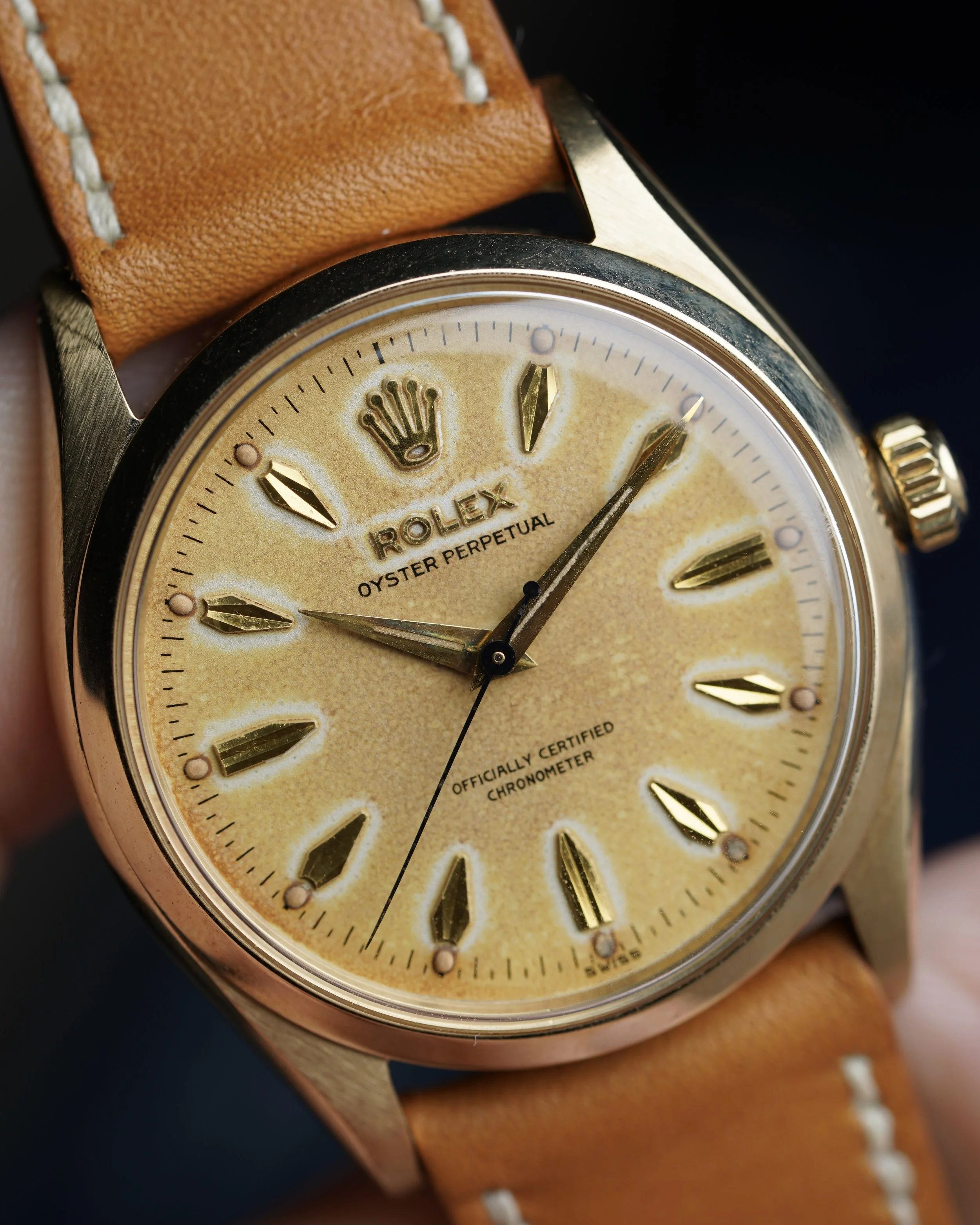
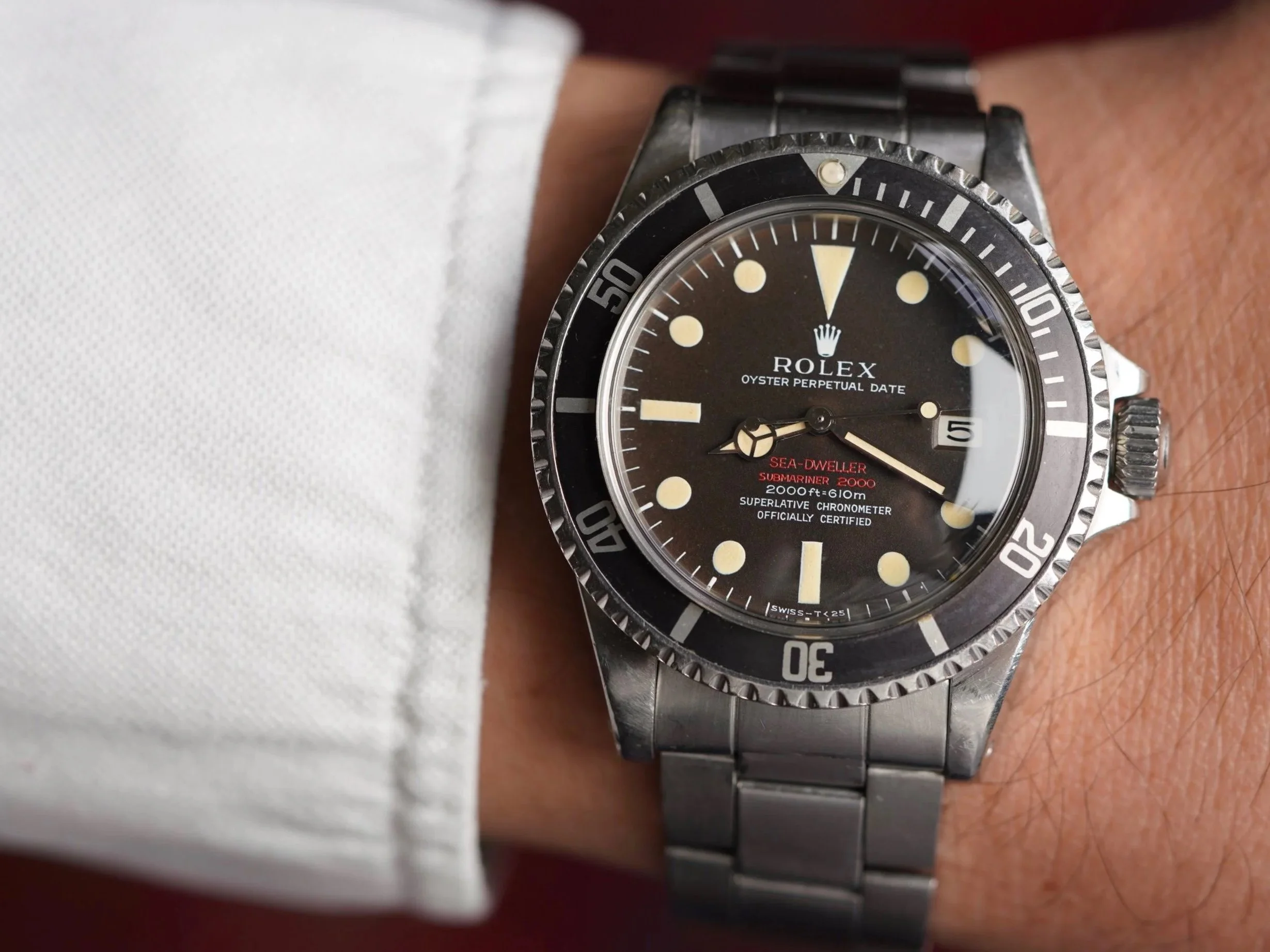
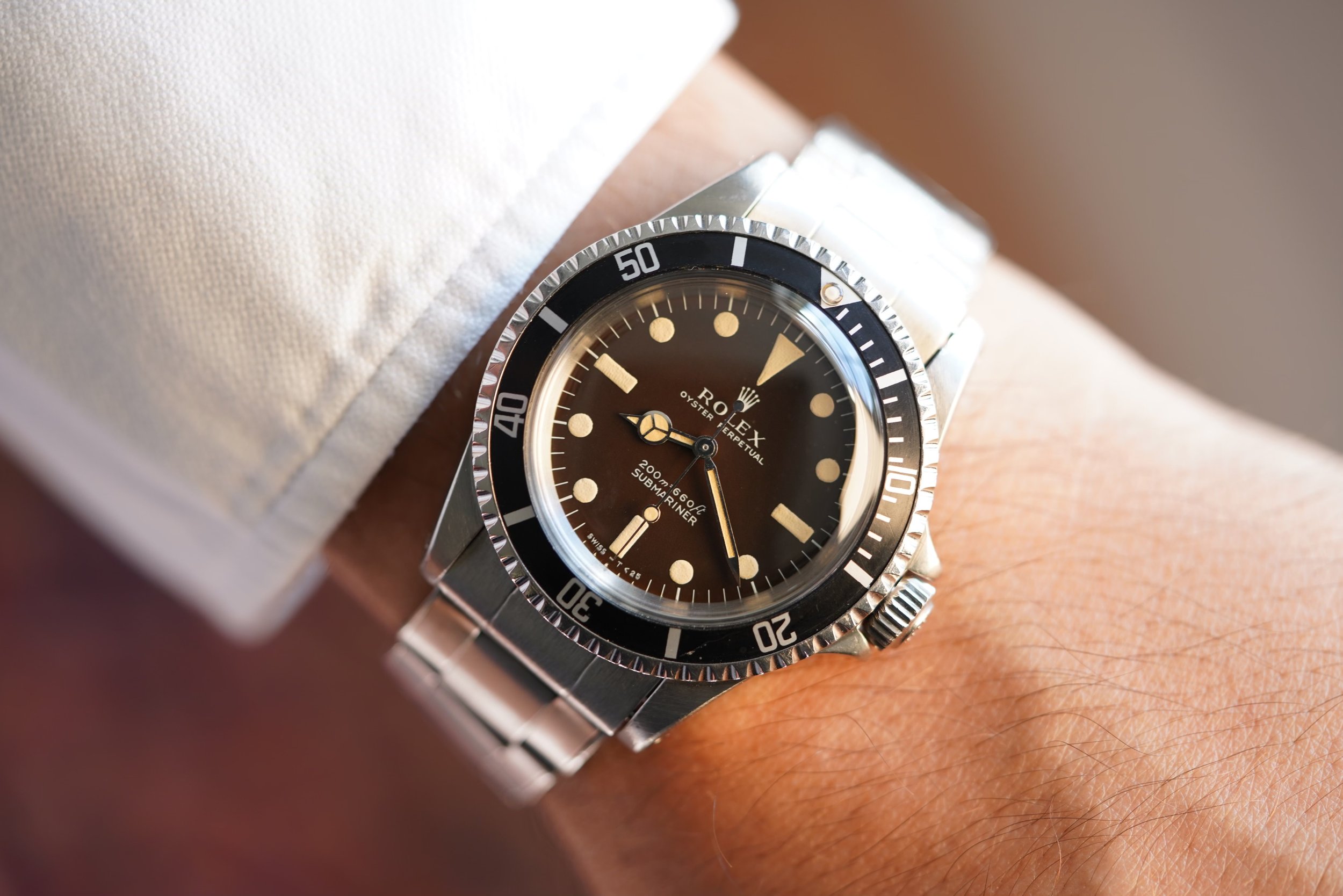
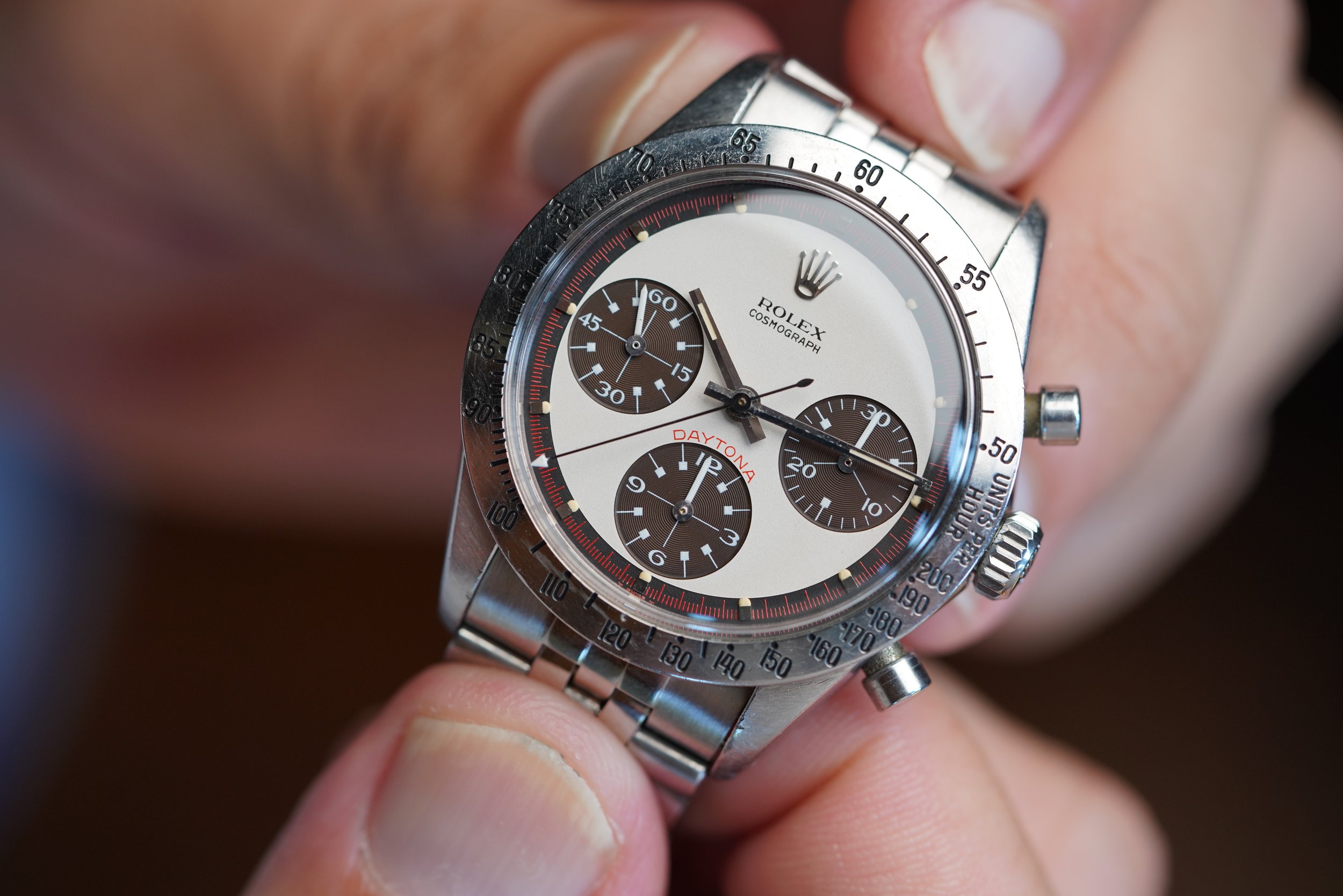
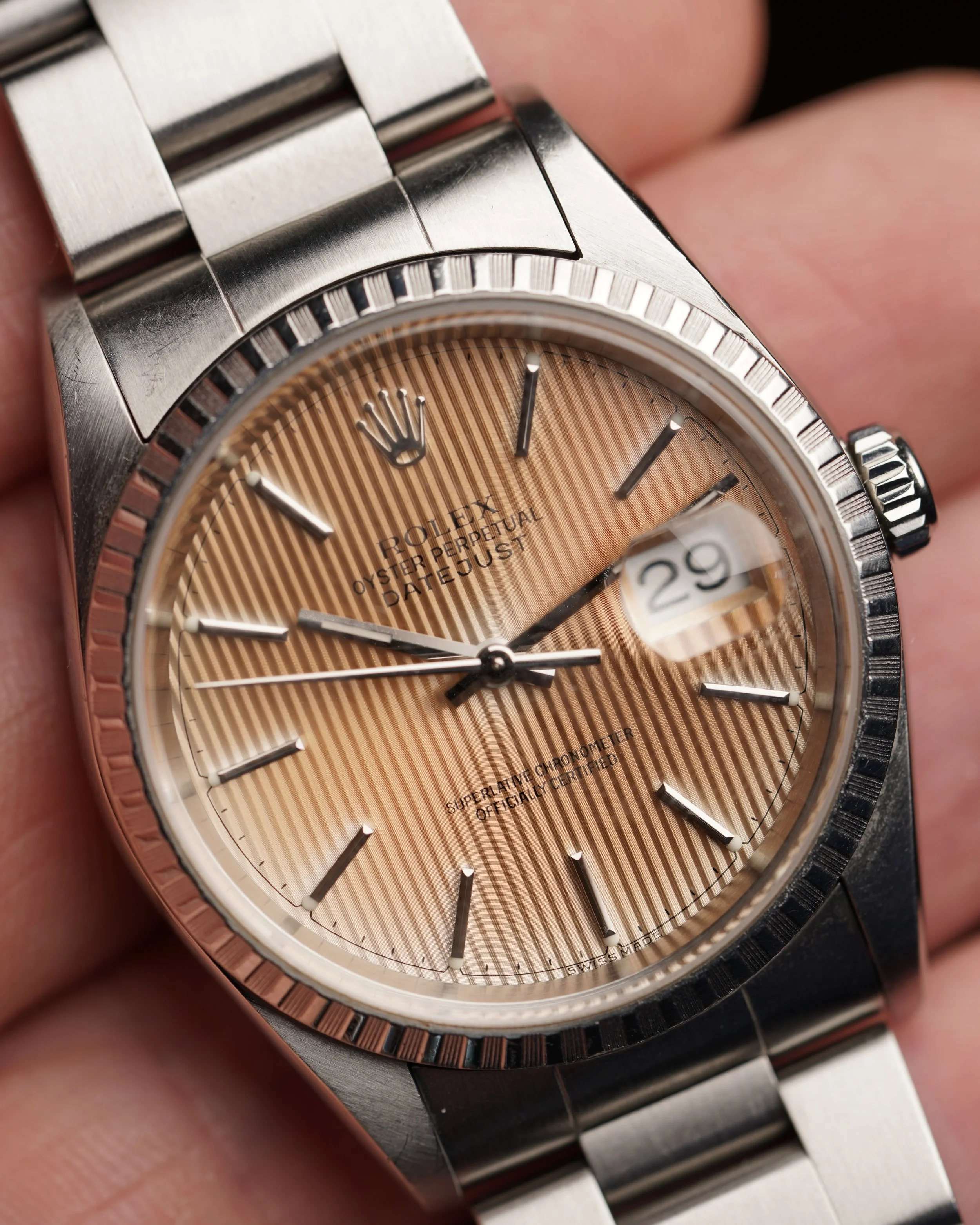
More often, when collectors cite a vintage watch being “tropical” it is in reference to a black dial (frequently on sports Rolex) that has turned to an attractive brown or chocolate color. In some instances, you will see the dial remain consistent to its original color while the luminous material or subdials turn brown. There are also silver dials that can turn tropical. These dials take on orange or even yellow colors that can vary. Dials will turn tropical due to a few factors: Most notably from the elements (sun exposure, humidity etc). There are also dials from the late 1960s - specifically 1969 Rolex GMT-Master dials, Submariner dials, and OMEGA Speedmaster dials, that have a paint discrepancy that turns the black matte dials to a tropical brown, driving collectors crazy!
One memorable example we sold was the most incredible John Bull GMT-Master reference 1675 from circa 1960. For years Charlie pleaded to Eric to track this watch down so that he could hold the famous example which was accompanied by a TIME magazine pamphlet for Watch of The Year (the only known physical copy to the collector community).
However is it not all sunshine, rainbows and tropical dials. While a tropical dial can command huge premiums compared to a standard example of the same reference in decent condition - not all tropical dials are desirable (or even attractive)! Sometimes dealers will hype a watch as “Tropical” and it looks like a disaster! See my future article “When Tropical is Actually Terrible!’ Sometimes other parties will even alter the color of a dial in order to maliciously enhance the value of the watch. This is where knowing the provenance and trusting the seller comes into play. There is a thin line between damage and desirability. It is great to be captivated by the color, but it is also of great importance to focus on coherency and the origin of the watch.